Receiving & Inventory
Coordinate arrival information, identify returned crates and compare available components with the project inventory.

EXHIBITSMAX · LAS VEGAS
Exhibitsmax provides trade show exhibit storage in Las Vegas for reusable booth structures, graphics, furniture and accessories. We coordinate receiving, inventory, condition reviews and next-show release so your team can plan repairs, graphic updates and transportation before the next event.
Request Storage Quote
Coordinate arrival information, identify returned crates and compare available components with the project inventory.
Group labeled booth components, graphics and accessories so the next pull list can be prepared clearly.
Plan storage around the exhibit inventory, expected duration and access needs between events.
Identify visible damage, missing items and likely maintenance needs before the next event deadline.
Coordinate approved repairs, replacement components and updated exhibit graphics for future use.
Match stored assets to the next layout, confirm the pull list and coordinate packing and release.
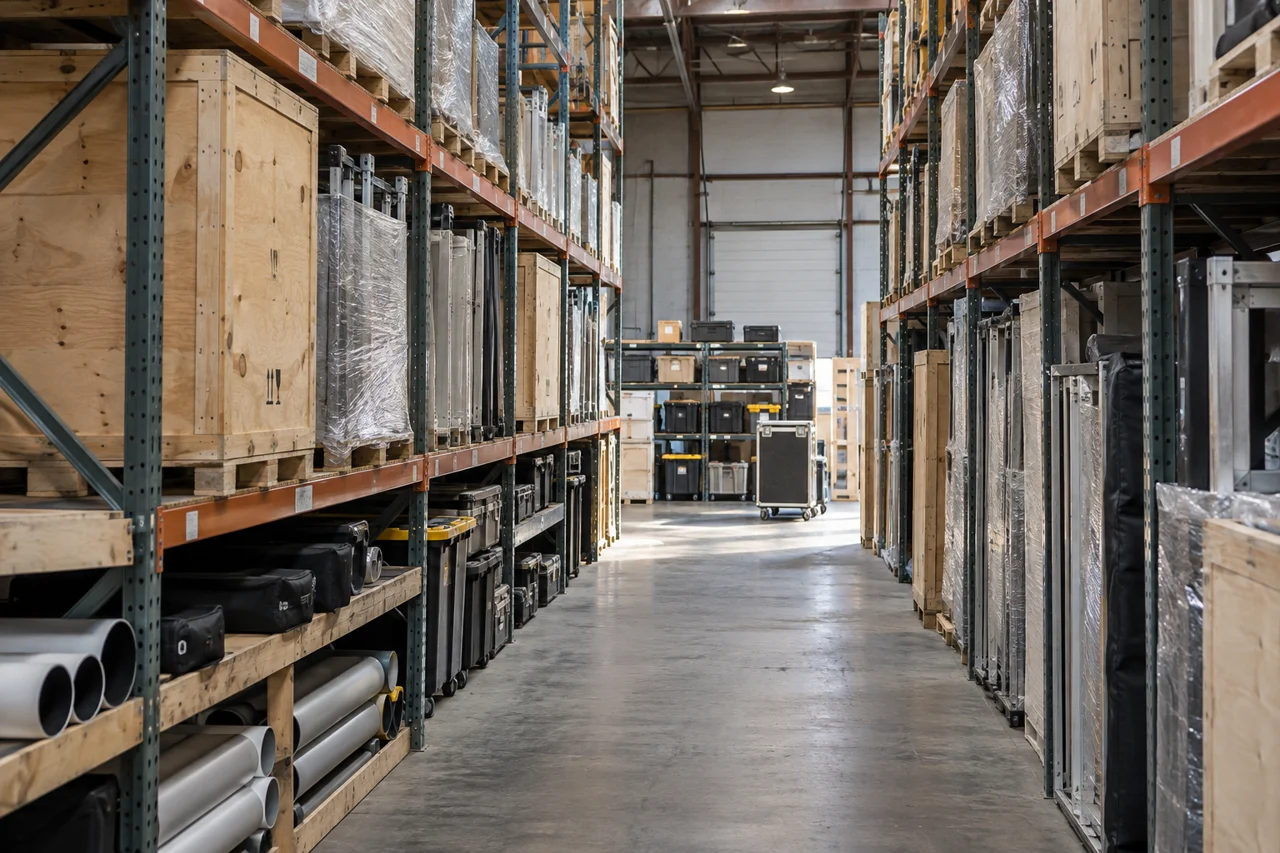
Identify reusable structures, counters, furniture, graphics and accessories that need to remain together.
Packed volume, weight and handling needs matter more to storage planning than the booth footprint alone.
Share the expected storage period and event calendar, including gaps between shows.
Explain how often items may need to be retrieved, inspected, updated or released separately.
Flag damaged components, worn graphics or missing hardware so approved work can be scheduled.
Work backward from the next release deadline, including packing, freight and venue receiving requirements.
A repeatable process from receiving to the next show and back into storage.
Confirm the return origin, expected arrival and inventory available for the incoming shipment.
Identify crates and components and record quantities against the project list.
Organize labeled exhibit assets according to the agreed storage and access plan.
Review condition notes and coordinate approved repairs, replacements or graphic updates.
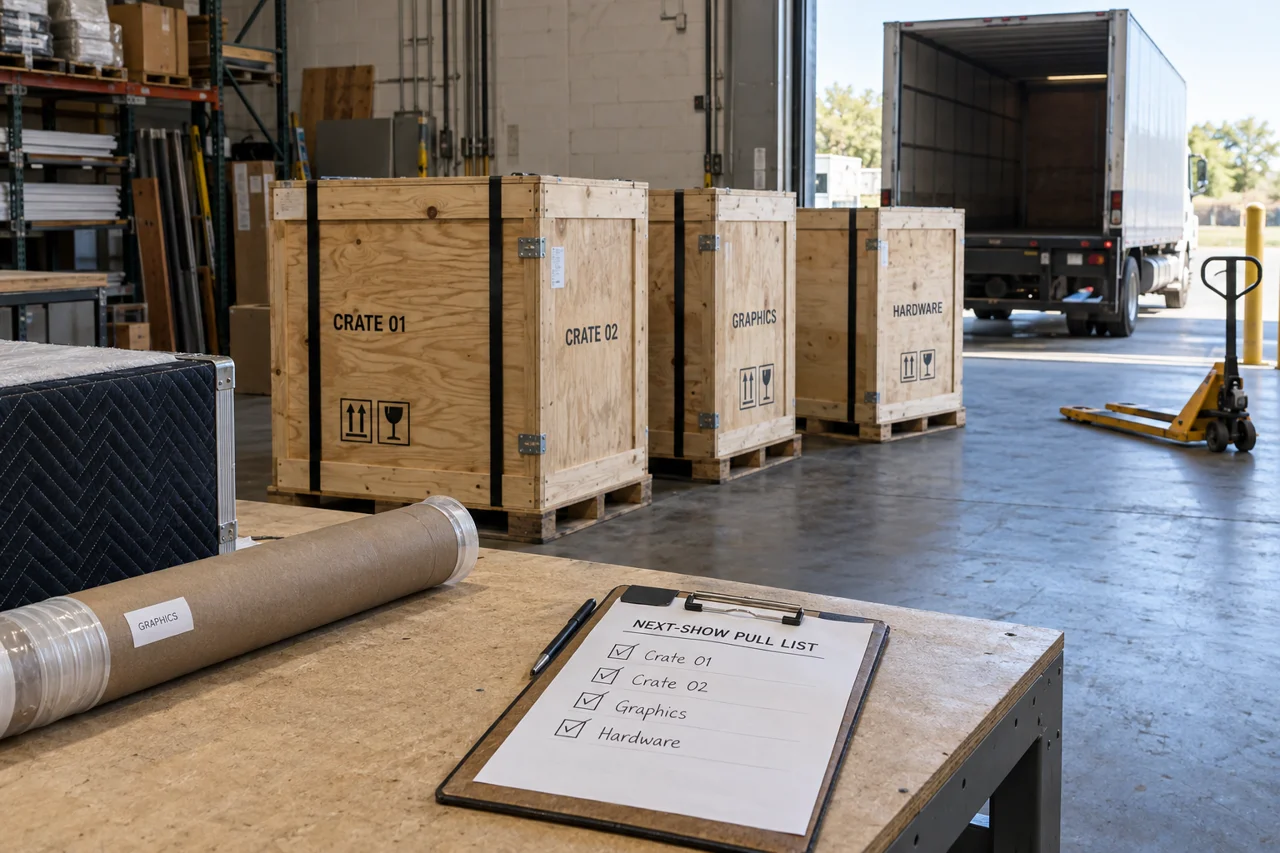
Match the next layout and requirements with stored assets; prepare a pull list and review missing items.
Check the packed shipment and coordinate the handoff against the next event’s receiving schedule.
Coordinate the post-show return and update inventory and condition records for the next cycle.
Keep crates and reusable components identifiable by project and asset group so teams can prepare the correct shipment.
Maintain a working record of available assets and note changes after receiving, updates and release.
Organize graphic sets, hardware and accessories with their intended booth configuration and future use in mind.
Record visible issues and missing items so repair and replacement decisions can be made before the next deadline.
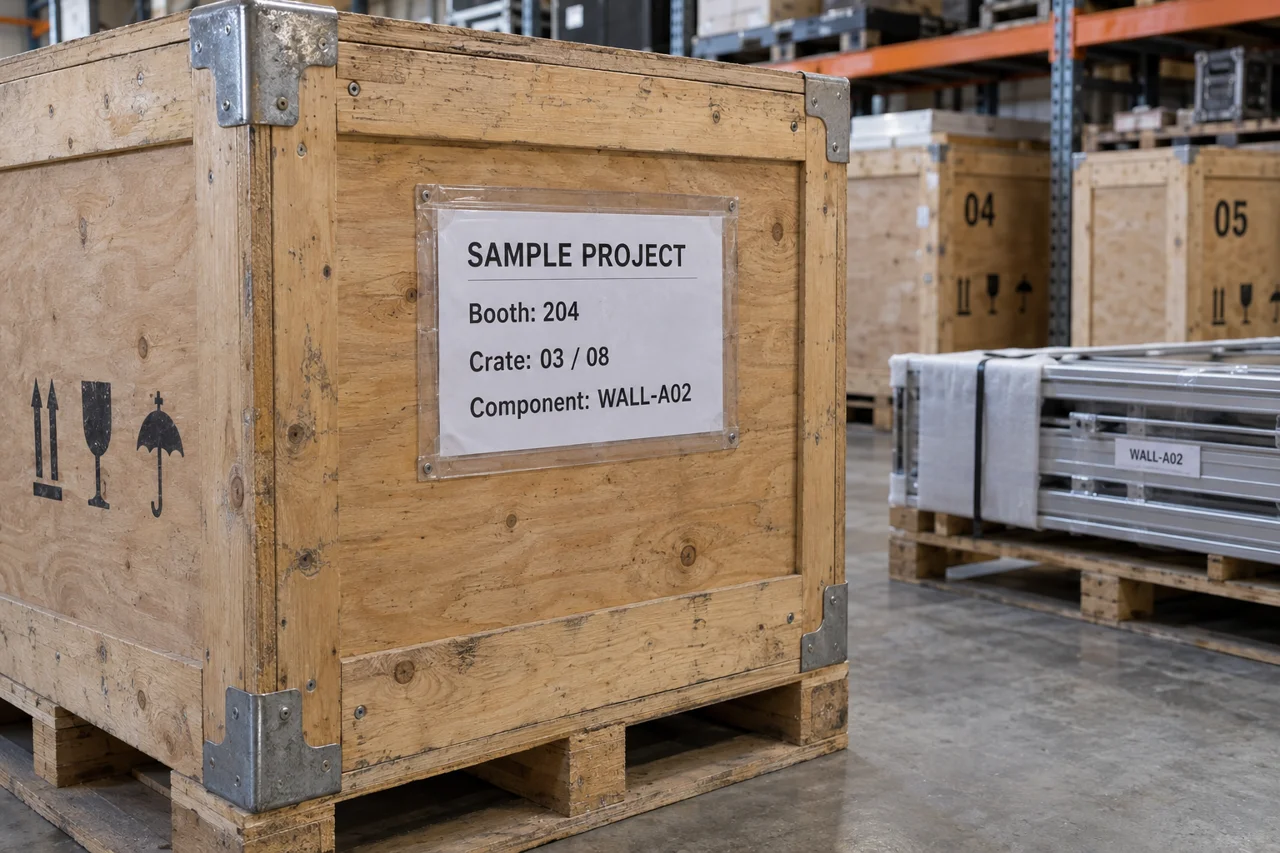
Returning exhibit assets need a condition review before their next deployment. Visible damage, worn graphics, missing hardware and surface wear can affect both appearance and assembly.
When updates require new components, our custom booth fabrication team can review how they will integrate with the retained exhibit.
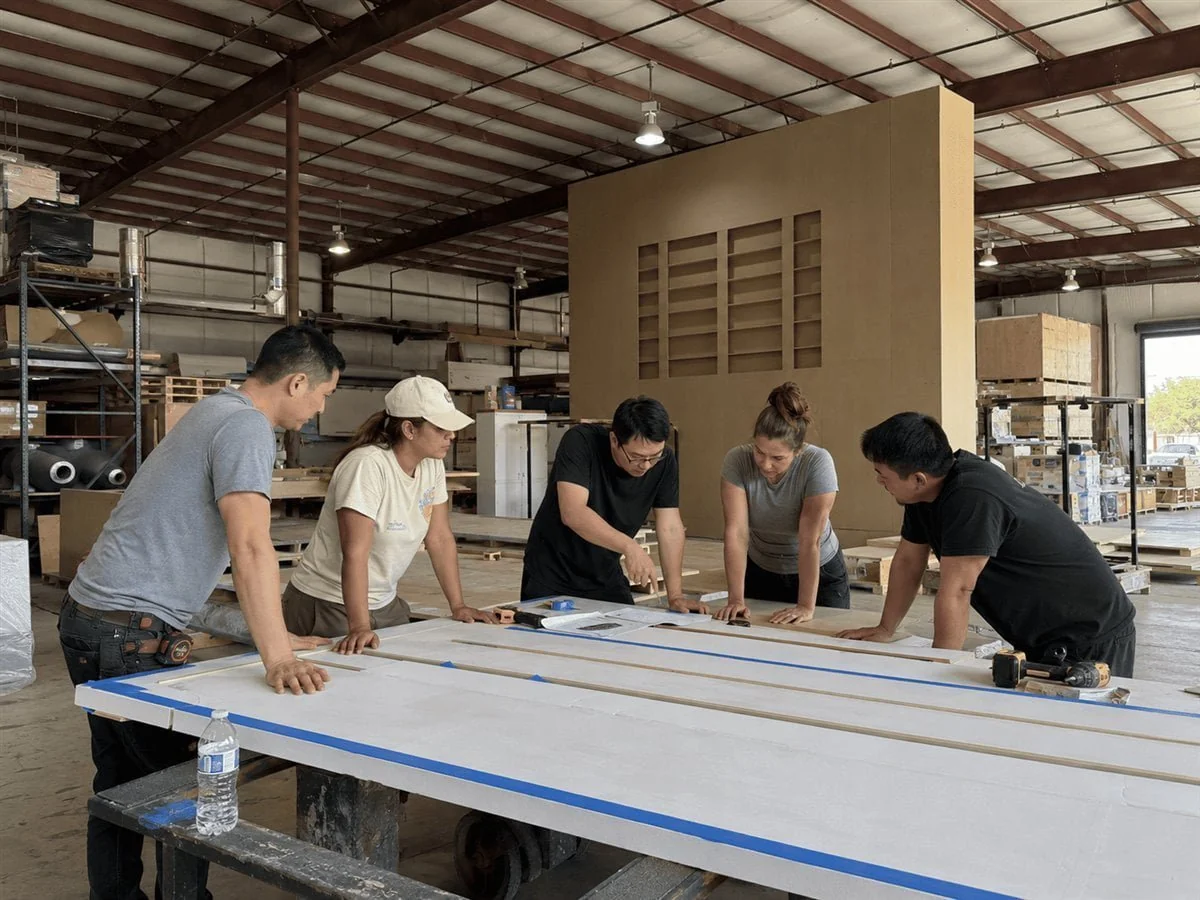
Returned crates and components are identified against the project inventory and next-use plan. Clear labels and receiving notes provide the starting point.
Known damage, missing items and graphic updates are reviewed early enough to plan approved repairs and production.
Stored assets are matched to the next booth layout, city and schedule before the pull list, packing and next-show exhibit transportation handoff.
A reusable exhibit may need a new graphic package, repairs or a revised layout for its next event. Reviewing those requirements while assets are in storage helps teams plan the work and identify missing items before freight is scheduled.
Return → Inventory → Condition Review → Approved Repairs → Graphic Updates → Preparation → Release → Next Show
Once the inventory, required updates and pull list are confirmed, our team can coordinate packing and release with your event schedule.
Trade Show Project Management →
Storage can include reusable booth structures, crated components, graphics, counters, furniture and accessories. Send an inventory, packed dimensions and any special handling requirements so we can confirm the appropriate scope before delivery.
Receiving and condition reviews can be coordinated as part of the storage scope. We compare returned items with the available inventory and note visible damage, missing hardware and graphic wear. Any repairs or replacements should be reviewed and approved before work begins.
Yes. We can coordinate asset retrieval, packing and transportation for the next U.S. event. Provide the destination, venue receiving instructions and required release date early so preparation can be planned around carrier and show deadlines.
Review which assets are likely to be reused, consolidate compatible components where practical and keep the inventory current. Flag obsolete graphics and unused elements for review; disposal or changes to retained assets should be approved by your team. Coordinate releases early to help avoid urgent handling and updates.
Storage pricing depends on packed volume, crate count and dimensions, duration, access frequency and handling requirements. Receiving, condition reviews, repairs, repacking and outbound transportation may affect the overall scope. Share your inventory and next-show schedule for an itemized quote rather than relying on booth floor size alone.
Yes. Graphic updates, component repairs and refurbishment can be planned while assets are in storage. We review the condition, required changes, budget and approval deadline with your team. The agreed work is scheduled before retrieval and packing for the next show.
Tell us what needs to be stored, your expected storage period, current location and next-show schedule. Our team can review the storage, inventory and release requirements.