Scope, Schedule and Decisions
Organize approved deliverables, dependencies and decision dates into a working plan. Track milestones, responsibilities, budget assumptions and requested changes.

EXHIBITSMAX · ONE CONNECTED PROJECT PLAN
Exhibitsmax provides trade show project management from the first brief through move-out. Our Las Vegas-based team coordinates design approvals, production, graphics, freight, show services and installation around one working schedule. Clear responsibilities, decision dates and change records help your team manage deadlines and budget across U.S. trade shows.
Request Project Management Quote
Organize approved deliverables, dependencies and decision dates into a working plan. Track milestones, responsibilities, budget assumptions and requested changes.
Align internal teams and third-party services around the same drawings, dates and booth requirements. Connect exhibitor-manual review with production, artwork and service-order tracking.
Connect installation, exhibitor handoff, dismantling and outbound routing. Record open issues, completion checks and return or storage arrangements.
Delays often begin with unresolved design, artwork, venue-service or shipping decisions. A working schedule identifies who approves each item, the final decision date and the effect of missing it. Requested changes should be documented and reviewed before they create additional work or cost.
Identify the exhibitor’s decision maker and the person responsible for collecting feedback. Keep approved drawings and artwork versions clear.
Connect each approval date to its dependent production task, service order or shipment. Flag missing information before it blocks the next step.
Review the effect on availability, cost and schedule. Present the options to the designated approver and record the agreed next action.
Create a working schedule around the show calendar, approvals, production and move-in milestones.
Track approved scope, cost assumptions and potential additions. Identify third-party charges and requested changes separately.
Align designers, production teams, freight providers and authorized show-site contractors.
Connect packing readiness, pickup, receiving deadlines and outbound arrangements through a coordinated exhibit transportation plan.
Coordinate the work sequence, crew timing and required handoffs within the approved scope.
Define site contacts, escalation paths and support coverage for installation and show operations.
Track unresolved dependencies and develop practical alternatives for schedule or supply issues.
Provide agreed status updates covering completed work, upcoming decisions, open issues and next actions.
Design, artwork, service orders, freight and move-in each have their own deadlines. One master schedule makes their dependencies visible.
Electrical, rigging, AV, freight, material handling and installation teams need compatible information and timing.
Late design or artwork decisions can affect procurement, production, packing and the installation sequence.
The current show manual, required forms, service arrangements and submission dates vary by event.
Freight arrival must align with receiving, material handling, crew calls and access to the booth.
A late change can affect several costs at once. Review its production, freight and labor impact before approval.
Track design development, technical drawings and required approvals. Connect the layout to booth design decisions.
Track production milestones, approved artwork and quality-readiness checks. Review custom booth fabrication and graphic printing scope.
Coordinate pickup, advance-warehouse or direct delivery and show-site handling responsibilities with the relevant providers.
Collect technical requirements and track service-order deadlines, confirmations and responsible contractors.
Connect the crew schedule, build sequence, open-item checks and exhibitor handover.
Confirm move-out, packing, return destination, storage and any next-show requirements.
Project management tracks pre-show QA and readiness milestones when they are included in the approved production scope. Equipment, labor and venue services are defined in the proposal rather than assumed to be included.
This example responsibility matrix helps clarify the working relationship before the project starts.
| Task | Exhibitor | Exhibitsmax | Show / Venue Vendor |
|---|---|---|---|
| Brand assets | Supply approved files | Track receipt and requirements | — |
| Booth design | Review and approve | Coordinate design and revisions | Review when required |
| Graphics | Approve artwork and proofs | Produce or manage agreed scope | Venue review when required |
| Electrical order | Confirm requirements and costs | Coordinate requirements and order status | Provide authorized service |
| Rigging | Approve scope and cost | Coordinate submissions and timing | Execute authorized rigging |
| Freight | Provide shipment details | Coordinate routing and schedule | Carrier / material handling as assigned |
| Installation | Confirm readiness and accept handoff | Manage agreed installation scope | Venue / union services as applicable |
| Dismantling | Confirm return or storage destination | Manage dismantling and outbound handoff | Provide assigned venue services |
Final responsibilities are defined in the approved project scope and exhibitor service requirements.
Define the show, booth, goals, deliverables, budget and decision makers.
Set milestones, owners, dependencies and approval dates.
Coordinate feedback, revisions, sign-off and required submissions.
Monitor procurement, fabrication, artwork and QA milestones.
Track service orders, shipping documents, receiving and crew timing.
Align the build sequence, contractors and site communications.
Review readiness and open items, then confirm support contacts.
Coordinate packing and outbound routing, then review completion and outstanding items.
Each phase should finish with the information the next team needs. These checkpoints connect the project from design approval to post-show routing.
The CMS exhibit at RFMA 2022 brought design, rental elements, fabrication, pre-show assembly, freight and I&D into one scope. See our Nashville trade show project planning overview for the completed booth and quote responsibilities.
For an LACC project, our Los Angeles exhibit planning and delivery overview connects rental or custom booth preparation in Las Vegas with receiving, installation and the services to confirm before quoting.
For KBHCCD or another DFW event, our Dallas exhibit project planning overview connects large-sample information, production, freight and installation responsibilities with the quote scope.
For Orlando booth project planning, connect your rental configuration or custom exhibit brief with product handling, service orders and installation dates. The city page includes the completed STEER industrial project and a quote-scope checklist.
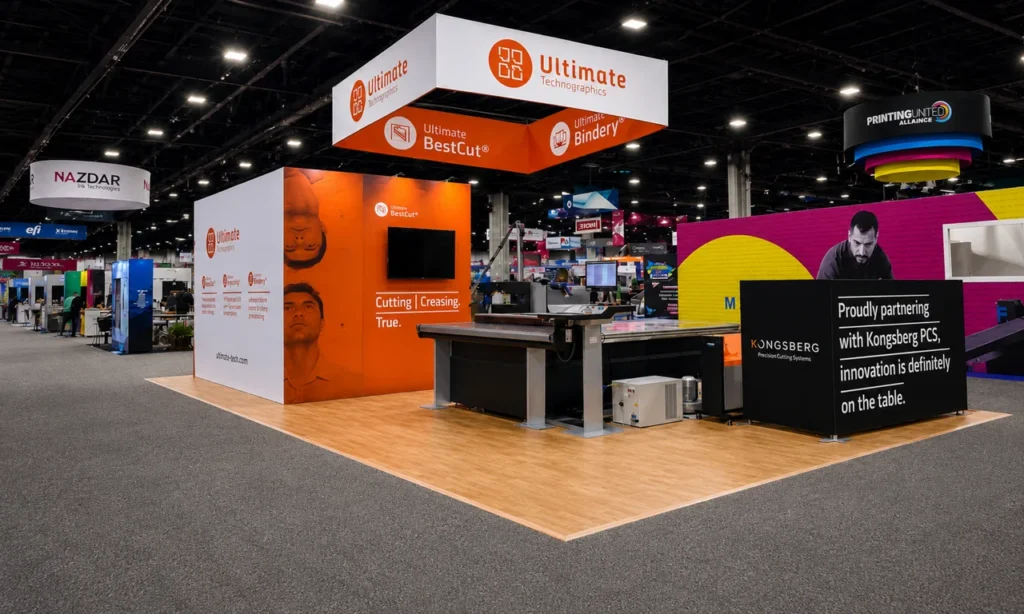
20×40 · Georgia World Congress Center, Atlanta
Design → Production → Freight → I&D
The project connected equipment placement, graphic production, hanging-sign coordination, GWCC delivery, installation, dismantling and storage.
View Full Project →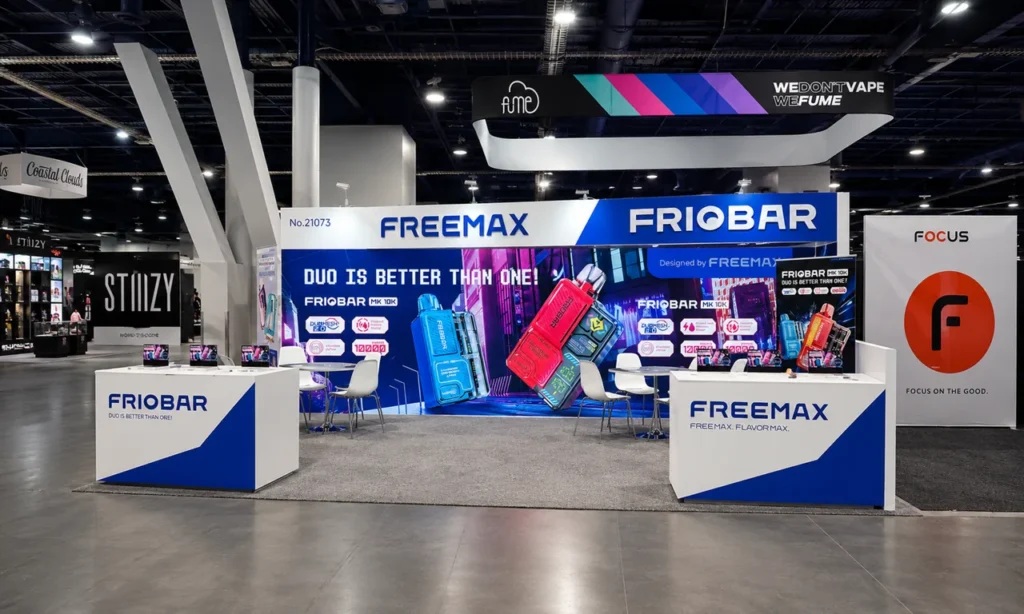
10×20 · Las Vegas Convention Center
Graphics → Pre-Show Checks → Logistics → Installation
The scope connected illuminated graphics, counters, electrical preparation and fit checks with transportation, installation, dismantling and storage.
View Full Project →A trade show project manager connects scope, approvals, production, vendors, freight, show services and installation through a working schedule. The role includes tracking decisions, escalating issues and managing handoffs. Actual deliverables, site coverage and post-show responsibilities are defined in the approved project scope.
We identify the main project contact and communication route at kickoff. Technical specialists or authorized contractors may handle specific work, while the project contact coordinates information and open decisions. The exhibitor should also identify an approver who can respond to time-sensitive questions.
Requested changes are recorded and reviewed for their impact on scope, cost, timing and other work. The designated decision maker reviews the proposed adjustment before additional work proceeds. Approved changes should be reflected in the current drawings, schedule and project records.
Yes. Our Las Vegas-based team supports U.S. trade show projects through coordinated production, freight, vendor communication and show-site arrangements. Local service requirements and on-site responsibilities are reviewed for the specific venue and event.
Begin when the show, booth space and main objectives are known, ideally before design and supplier decisions become fixed. Early coordination helps connect approvals with production, service orders and freight. If work has already started, share the current status and remaining deadlines so we can assess the next steps.
The working schedule identifies milestones, task owners, dependencies and decision dates. Status reviews focus on approvals received, outstanding information, upcoming deadlines and the impact of delays. The reporting format and review frequency are agreed for the project rather than assumed to follow one fixed system.
Connect production readiness with approved drawings and quality checks. Explore Fabrication →
Coordinate shipment planning and receiving milestones. Explore Transportation →
Plan crew timing, build sequence and move-out handoffs. Explore I&D →
Share your show details, current stage and the support you need. We will review the scope and next steps with your team.