Professional Booth Installation
Assemble exhibit structures and display components from approved plans, coordinating graphics, lighting and AV with the relevant service teams.

EXHIBITSMAX · U.S. SHOW-FLOOR SUPPORT
Exhibitsmax coordinates trade show booth installation and dismantling across the United States. From on-site assembly and setup to packing and move-out, we align approved drawings, labor, equipment handling and service schedules with venue requirements. Our Las Vegas-based team supports custom exhibits, modular booths, rental displays and integrated AV environments.
Request I&D Quote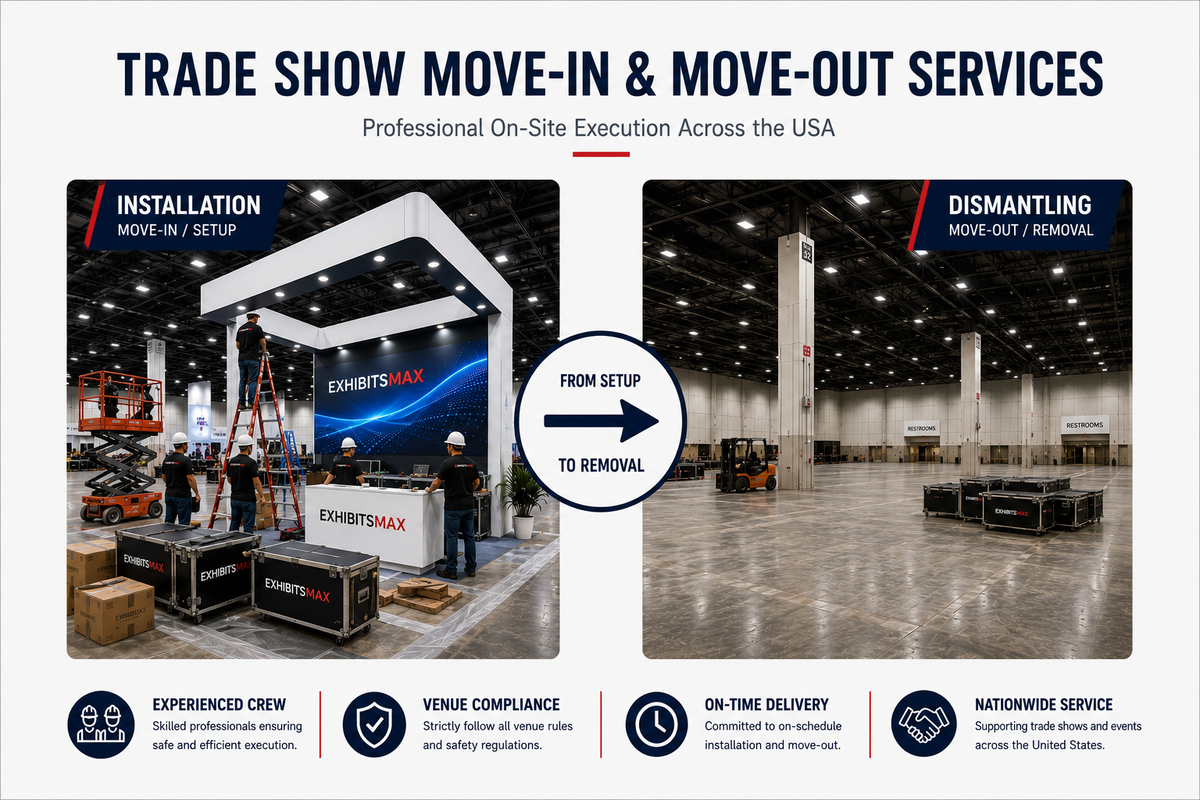
Assemble exhibit structures and display components from approved plans, coordinating graphics, lighting and AV with the relevant service teams.
Plan disassembly, component protection, packing and outbound handoff against the show’s move-out schedule.
Align installation crews and approved service providers with the work sequence and assigned responsibilities.
Review current access, contractor and safety requirements with the event’s authorized service providers.
Monitor progress, communicate issues and keep the exhibitor contact informed during the agreed installation and dismantling scope.
Coordinate projects in major U.S. trade show cities through our Las Vegas-based team and project-specific show-site arrangements.
Review the footprint, structure height, special components, connection details and assembly sequence.
The available work period and required handoff time shape crew planning and the order of activities.
Confirm when crates and equipment will reach the booth space, so the installation plan reflects actual component availability.
Identify services that need to happen before, during or after structure assembly, and confirm who performs each task.
Estimate the skills, crew size, tools and access equipment needed for the approved build.
Review the current show manual, official service requirements and contractor procedures for the specific event.
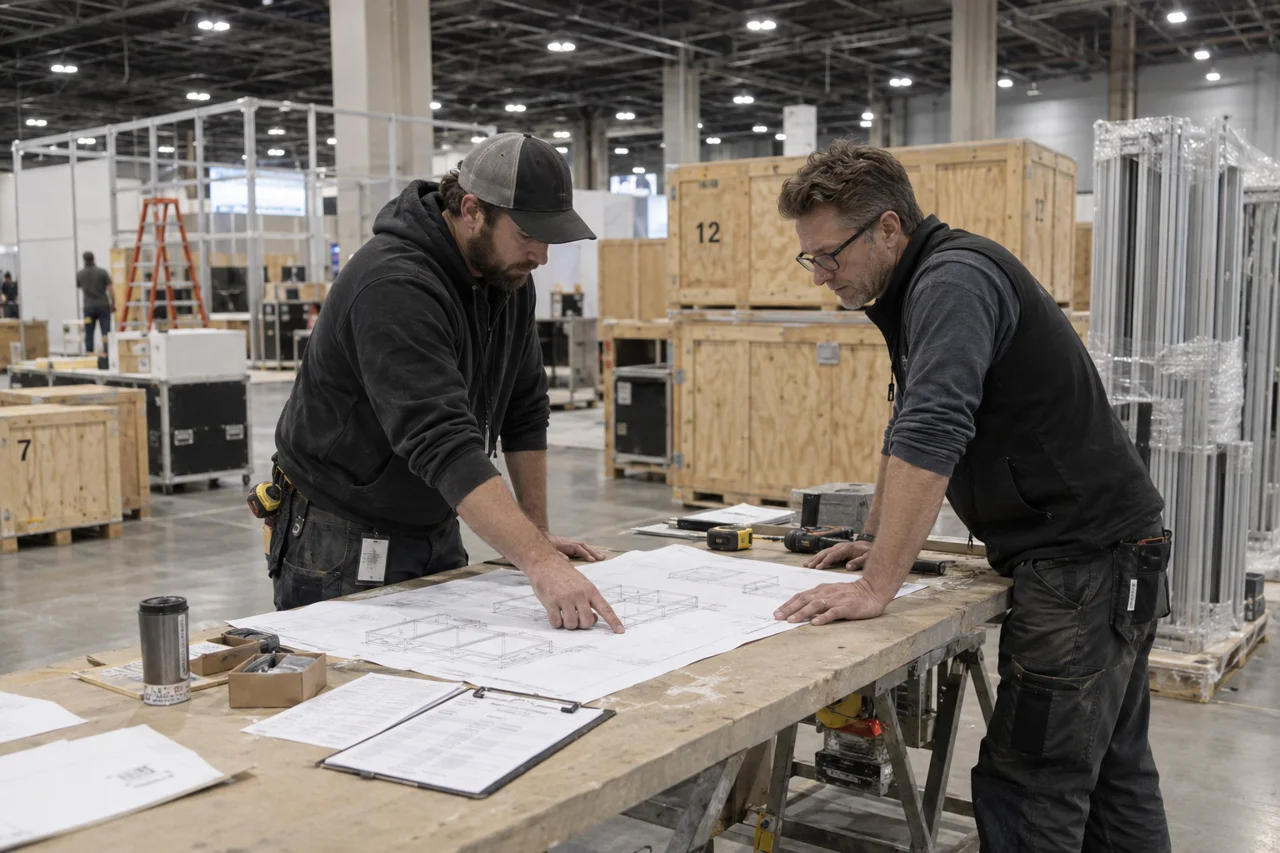
Review approved booth drawings, exhibitor requirements, venue rules and the required handoff time.
Coordinate crew resources, tools, equipment, freight information and the move-in schedule.
Confirm access procedures, contractor requirements and dependencies with the organizer and official service providers.
Assemble approved booth components and coordinate graphics, displays, lighting and AV work in sequence.
Review the completed exhibit, check agreed functions and document any outstanding items before handoff.
Coordinate adjustments or technical assistance during the agreed support period and document changes.
Disassemble structures and prepare graphics, equipment and reusable components for packing.
Coordinate packing, outbound information and the carrier handoff according to the event’s move-out plan.
Confirm carrier arrival, receiving arrangements and crate delivery to the booth space. Exhibit transportation planning should connect directly to the installation schedule.
Coordinate floor or overhead power, service locations and the authorized electrical work sequence before access becomes restricted.
Review hanging signs and overhead elements with the relevant provider; required approvals and scheduling depend on the current event rules.
Plan mounting, screens, processors, cabling and testing with the structure and power sequence. Review LED video wall requirements early.
Sequence SEG fabric, rigid graphics and signage after the supporting components are ready, with time for alignment and fit checks.
Confirm placement, weight and access needs. Large equipment may need to enter before surrounding structures; furniture can follow the main build.
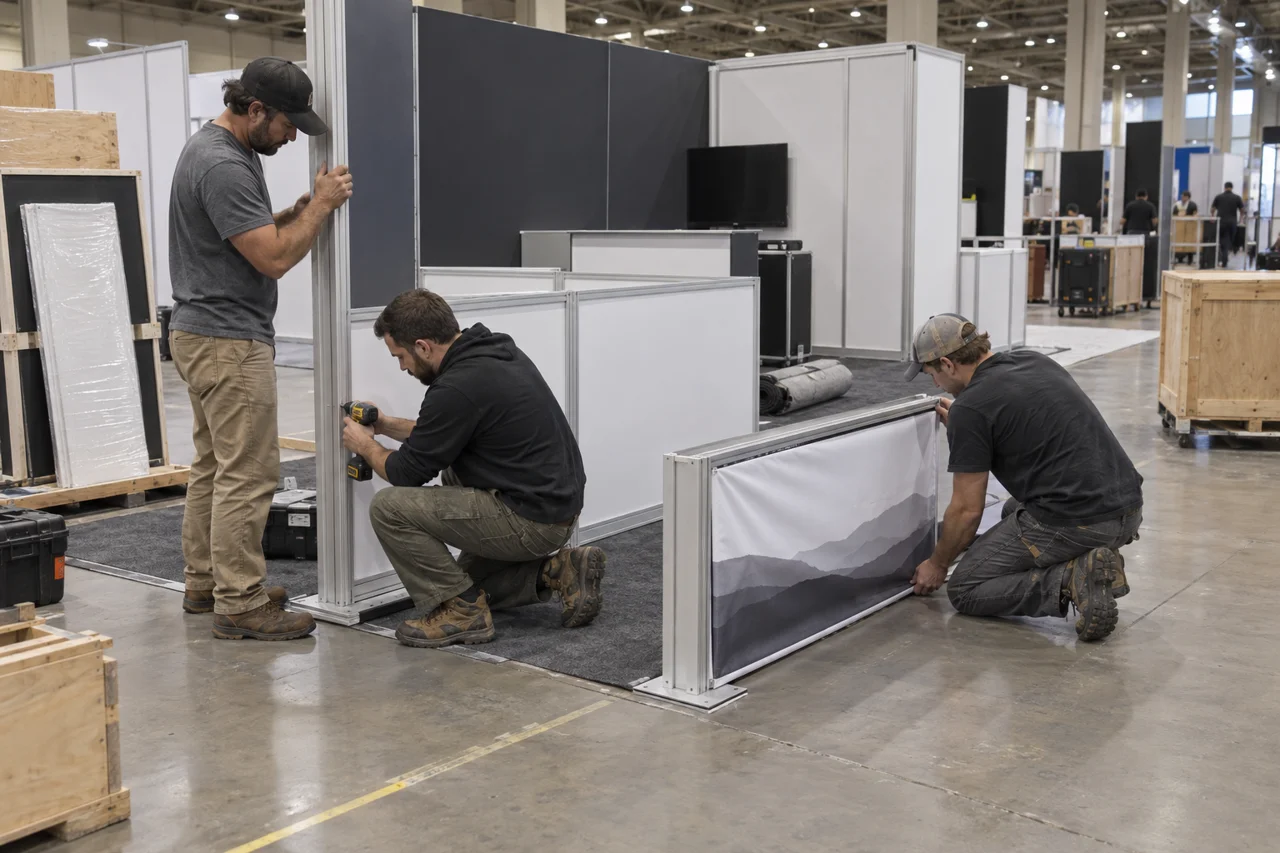
Drawings, freight, labor, electrical work, rigging, graphics and the show schedule need to work together. We organize responsibilities across three stages.
Translate approved drawings into a work sequence, with the crew schedule, packing list and service dependencies available to the team.
Follow the approved plan, track progress, document issues and coordinate readiness for exhibitor handoff.
Plan move-out before opening: packing instructions, labels, carrier information and a confirmed return, storage or approved disposal plan.
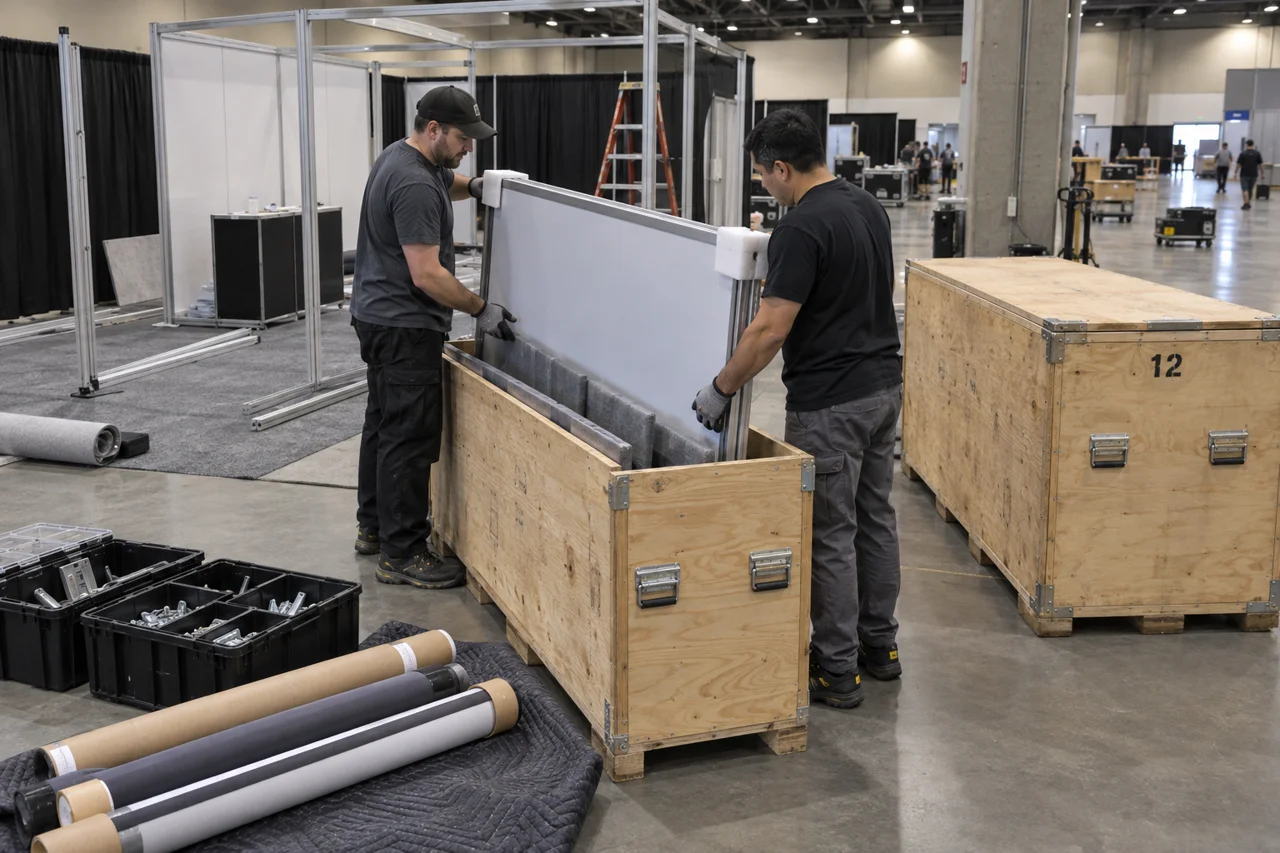
Work windows, minimum calls, overtime, electrical jurisdiction, rigging and material handling can affect the labor plan and budget. Check the current exhibitor service manual and official order forms for your event before confirming crews and schedules.
For budgeting context, see our Las Vegas booth installation labor cost guide. Specific rates and requirements must be checked for the event.
Keep official service orders and contractor responsibilities visible in the project schedule. The Freeman international exhibitor guide explains why the event manual matters when planning labor and exclusive services.
Pre-built and clearly labeled components can reduce show-site installation complexity. See how custom booth fabrication and pre-show preparation support the approved installation plan.
These completed projects included Exhibitsmax installation and dismantling support. The photographs below show the finished exhibits.
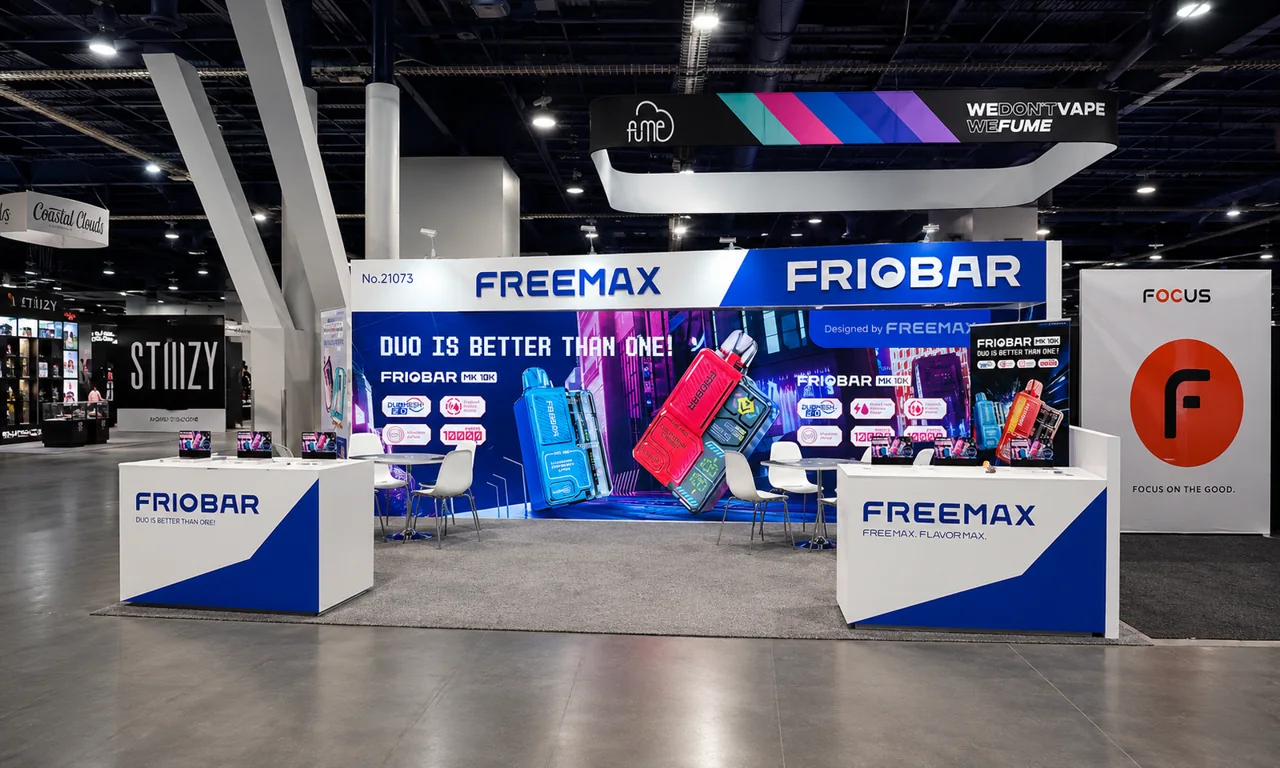
10×20 · Las Vegas
View Project →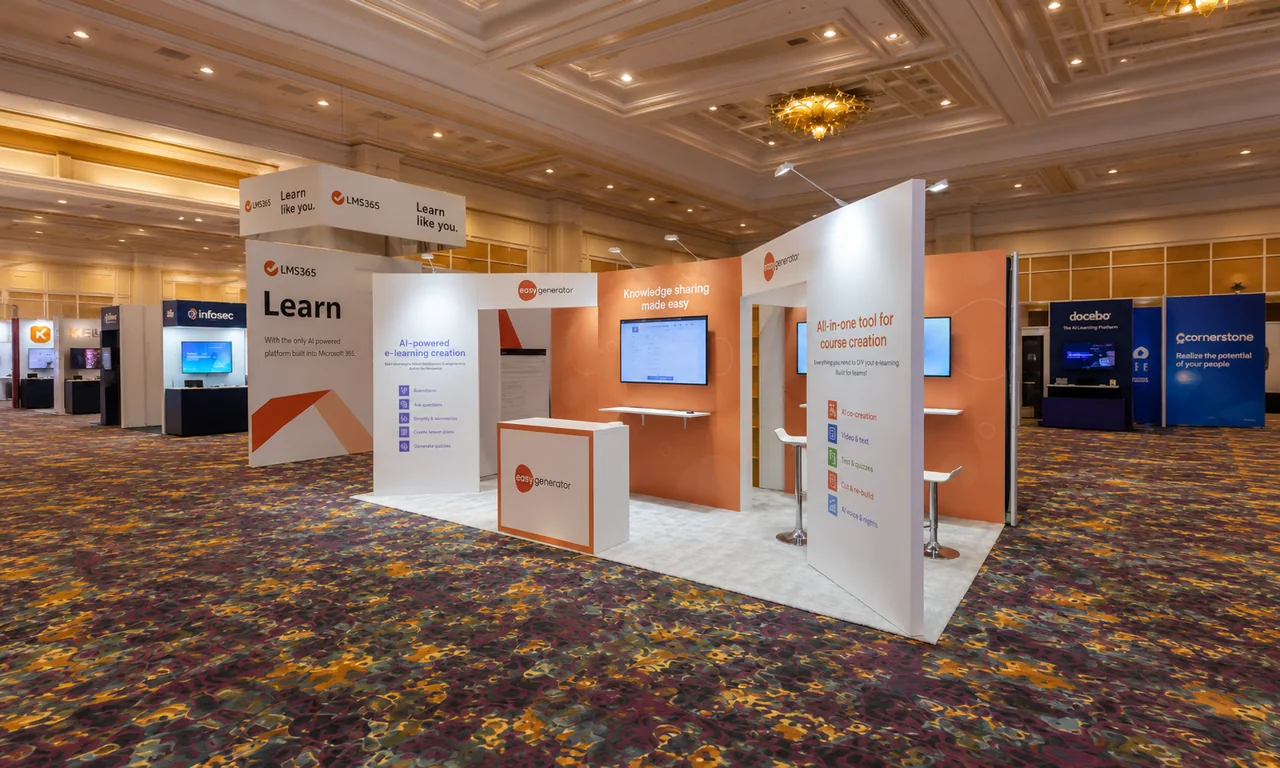
10×20 · The Mirage, Las Vegas
View Project →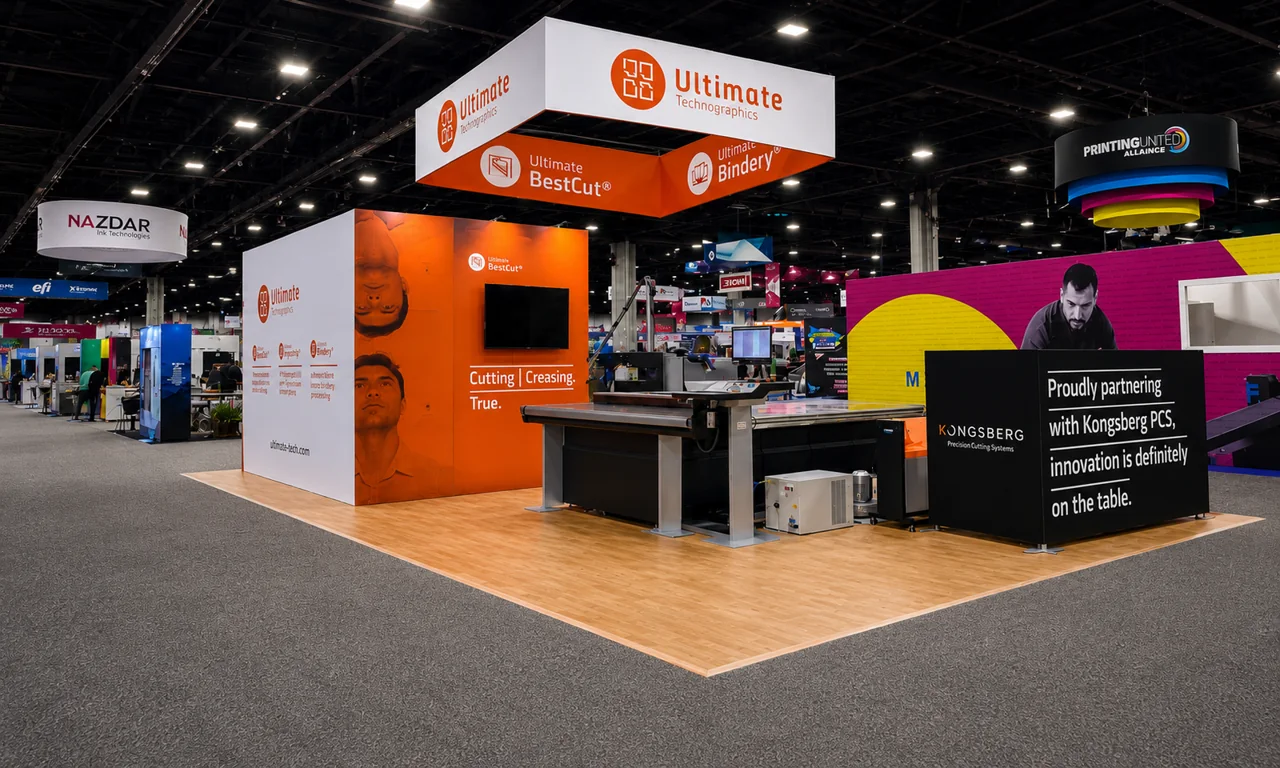
20×40 · Georgia World Congress Center, Atlanta
View Project →The agreed scope can cover installation planning, crew coordination, booth assembly, graphic placement, inspection and exhibitor handoff, followed by dismantling, packing and outbound coordination. Electrical, rigging, material handling and other official services should be identified separately in the proposal so responsibilities and third-party charges are clear.
Requirements depend on the venue, event, task and applicable labor jurisdiction. The current exhibitor service manual explains what exhibitors may perform and which services require authorized labor or an official contractor. We review these requirements while planning the installation rather than assuming one rule applies nationwide.
We document the requested change, check its effect on scope, cost, timing and other contractors, and seek approval from the designated exhibitor contact before proceeding with additional work. Clear drawings and a reachable decision maker help the team resolve changes without losing track of the agreed plan.
Yes. We can coordinate dismantling, packing and the outbound handoff as part of the agreed scope. Before move-out, confirm packing instructions, the return or storage destination, carrier information and paperwork responsibilities. Empty-crate return and carrier check-in must be planned around the event schedule.
The estimate depends on booth complexity, crew size, planned working hours, equipment, supervision and the event’s labor conditions. Minimum calls, overtime, freight delays and changes to the approved scope can affect the final cost. Send drawings and the move-in schedule for a project-specific quote, with official services and potential additional charges identified.
Start planning as soon as the show, booth layout and move-in window are known. Confirm the labor plan before the event’s applicable advance-order and contractor-registration deadlines. Complex builds, overhead elements, AV integration and limited access windows need earlier coordination; the exact schedule depends on the approved drawings and current show requirements.
Share your show, booth details and move-in schedule. Our team can review the installation scope, service dependencies and dismantling requirements.