Large Format Printing
Produce branded walls, banners, signage and display graphics to approved output specifications.

EXHIBITSMAX GRAPHIC PRINTING
Exhibitsmax produces trade show booth graphics for branded walls, counters, fabric displays, backlit applications and signage. Our Las Vegas team coordinates artwork review, material selection, proof approval, printing and finishing around the approved graphic templates and installation requirements.
Plan the artwork, material and attachment method together so your graphics fit the exhibit and communicate clearly on the show floor.
Request Graphic Printing Quote
Produce branded walls, banners, signage and display graphics to approved output specifications.
Coordinate fabric, SEG and illuminated display graphics with the specified frame or lightbox.
Review brand references, material behavior and the proofing approach before production.
Check dimensions, resolution, bleed, fonts, linked images and template compatibility.
Plan trimming, sewing, mounting or SEG finishing as applicable, with panel labels for installation.
Coordinate orientation, attachments and the agreed fit-check or installation scope.
Finished dimensions and the supplied production template determine artwork setup, panel divisions and output requirements.
Large graphics seen from the aisle and close-range product information have different detail and legibility needs.
Fabric, vinyl, rigid panels and backlit media are selected for the display system and intended application.
Backlighting, front lighting and surrounding show-floor light influence how color and imagery appear.
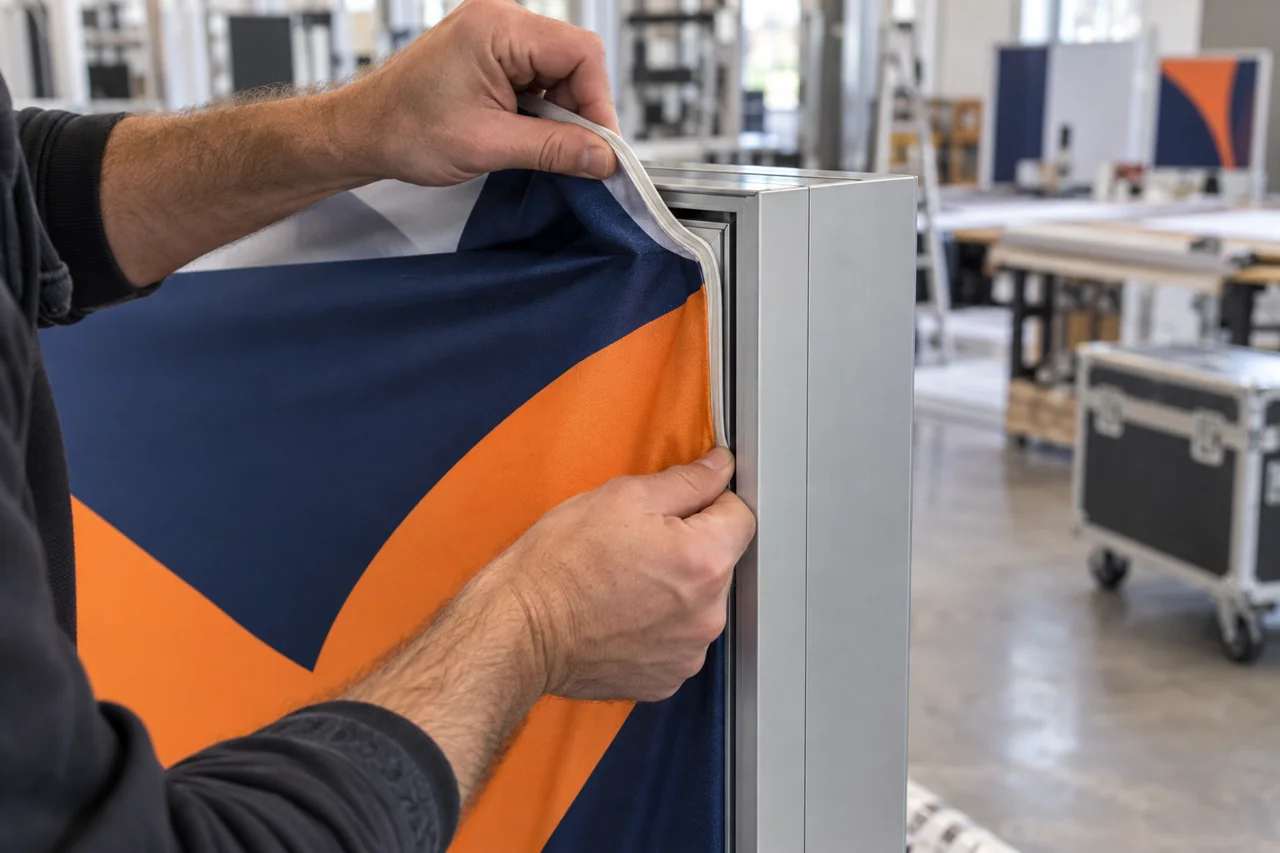
SEG channels, adhesive applications, mounted panels and frame systems require compatible dimensions and finishing.
The intended number of shows affects material choice, finishing, packing and storage expectations.
Fabric graphics finished for compatible tension-frame systems, branded walls and selected illuminated displays.
Graphics for compatible rigid surfaces, counter branding and signage, with adhesive and removal needs reviewed for the application.
Printed or mounted panels for exhibit walls, counters and product displays, specified around the surface and attachment method.
Media for lightboxes and illuminated branding, reviewed for the actual lighting system and intended appearance.
Graphic coverings and branding for approved overhead display applications. Structure, installation and rigging are coordinated separately.
Banners, backdrops and selected display graphics matched to the supporting system, finishing and viewing conditions.
The final material and finishing specification is confirmed for the project. Share the display-system details or graphic template before preparing final artwork.
01 · Size & Scale
Match the final dimensions and template.
02 · Bleed & Safe Area
Use the specified allowances for the system.
03 · Images & Fonts
Review images at output size and include required assets.
04 · Proof & Version
Approve content, orientation and the final file.
Use the approved production template rather than estimating the print area from booth size. Our preflight review helps identify file issues before they become printed graphics.
Check final output size, scale, visible area, panel divisions and any required bleed or finishing allowance.
Review raster image quality at output size, required fonts, linked assets and file compatibility with the production workflow.
Confirm orientation, content, graphic placement and the approval contact. Resolve flagged items before the file is released to print.
Changes after proof approval can affect cost and delivery. Keep an approved file version and panel map for production and any later replacements.
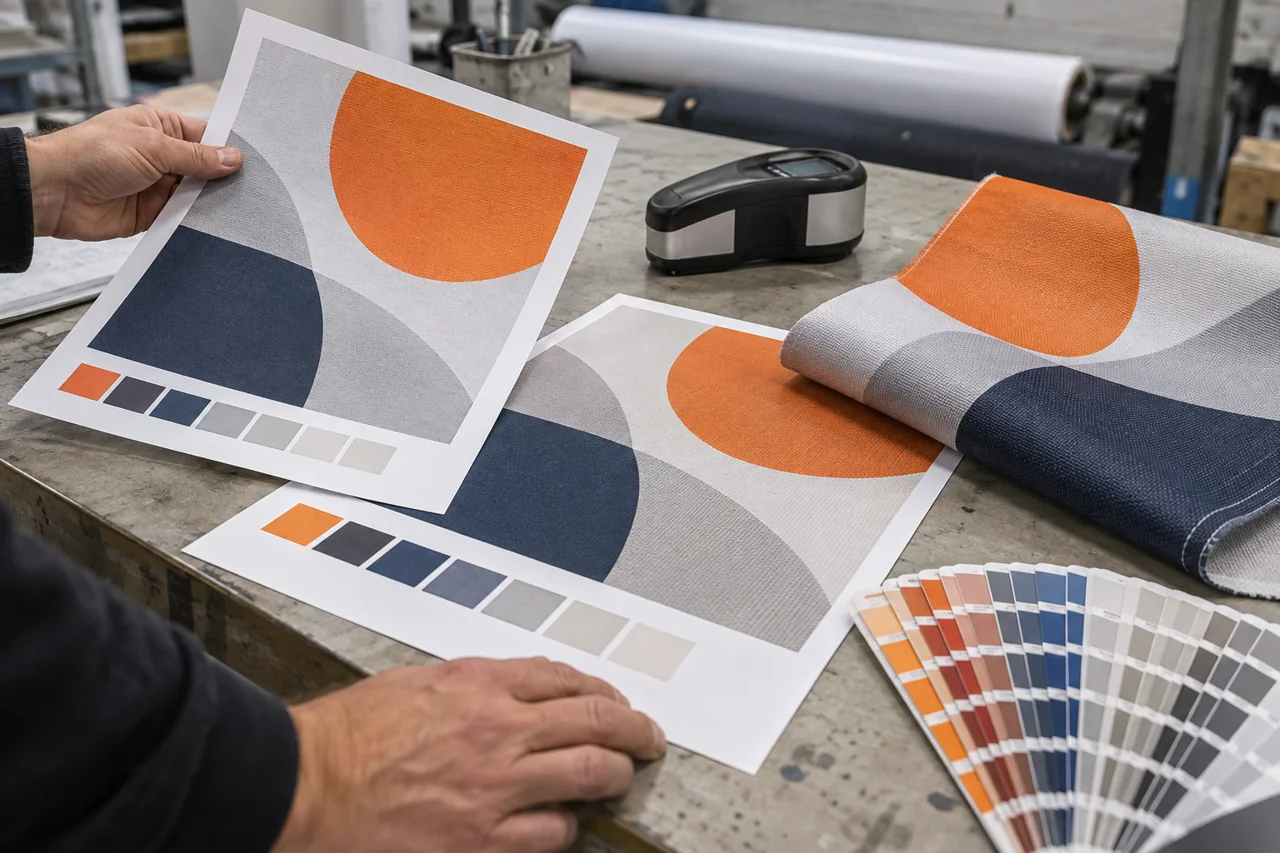
Share your brand color references and flag the colors that matter most. Material, ink, lighting and screen-to-print differences can change the result, so a digital preview should not be treated as a guarantee of final printed color.
Provide defined color values or a physical reference where available, and agree on the material and proofing approach.
Evaluate front-lit and backlit applications separately. The same artwork can appear different on fabric, vinyl and rigid substrates.
Use digital proofs for content and layout review. A physical or contract proof may be appropriate for color-critical work before production.
Receive artwork, brand guidelines, templates and output requirements.
Review dimensions, resolution, bleed, fonts and production compatibility.
Confirm content, layout and the agreed proof before print release.
Produce the graphics using the selected material and approved files.
Complete applicable trimming, sewing, mounting or SEG finishing and inspect the output.
Protect the finished graphics, label the panels and coordinate the delivery plan.
Coordinate the agreed graphic fitting or installation requirements.
Review reuse, storage, replacement or updated graphics where required.
Quality checks connect the printed output with its intended display. Graphics can be checked against the exhibit structure before packing when included in the project scope.
Review finished dimensions, seams, orientation, sequence and panel labels against the approved layout.
Inspect the printed surface for visible defects or damage and review color against the agreed proofing approach.
Check applicable SEG fit, attachment provisions and backlit appearance against the specified system and project scope.
These projects included graphic production. The completed booth photos show how branded walls and counter or display graphics work together in the final exhibit.
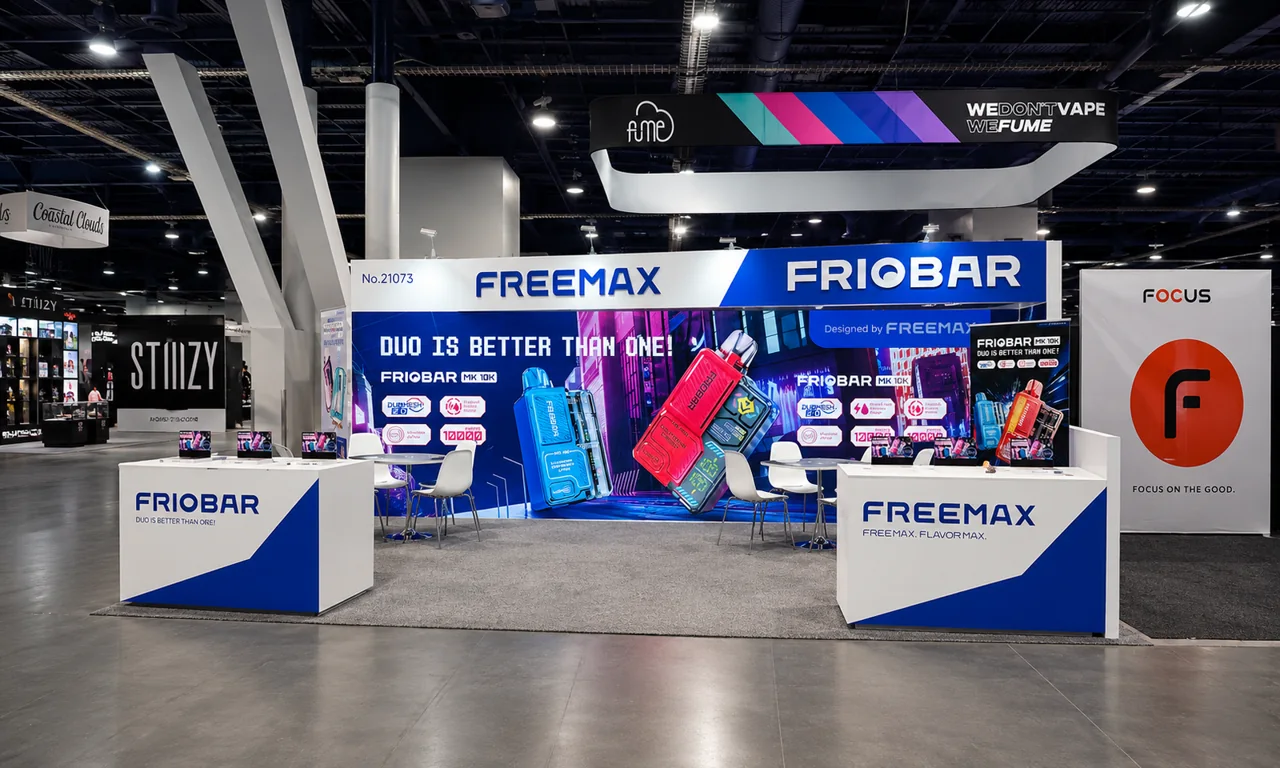
10×20 · Las Vegas
Large branded backwall and coordinated counter graphics.
View Project →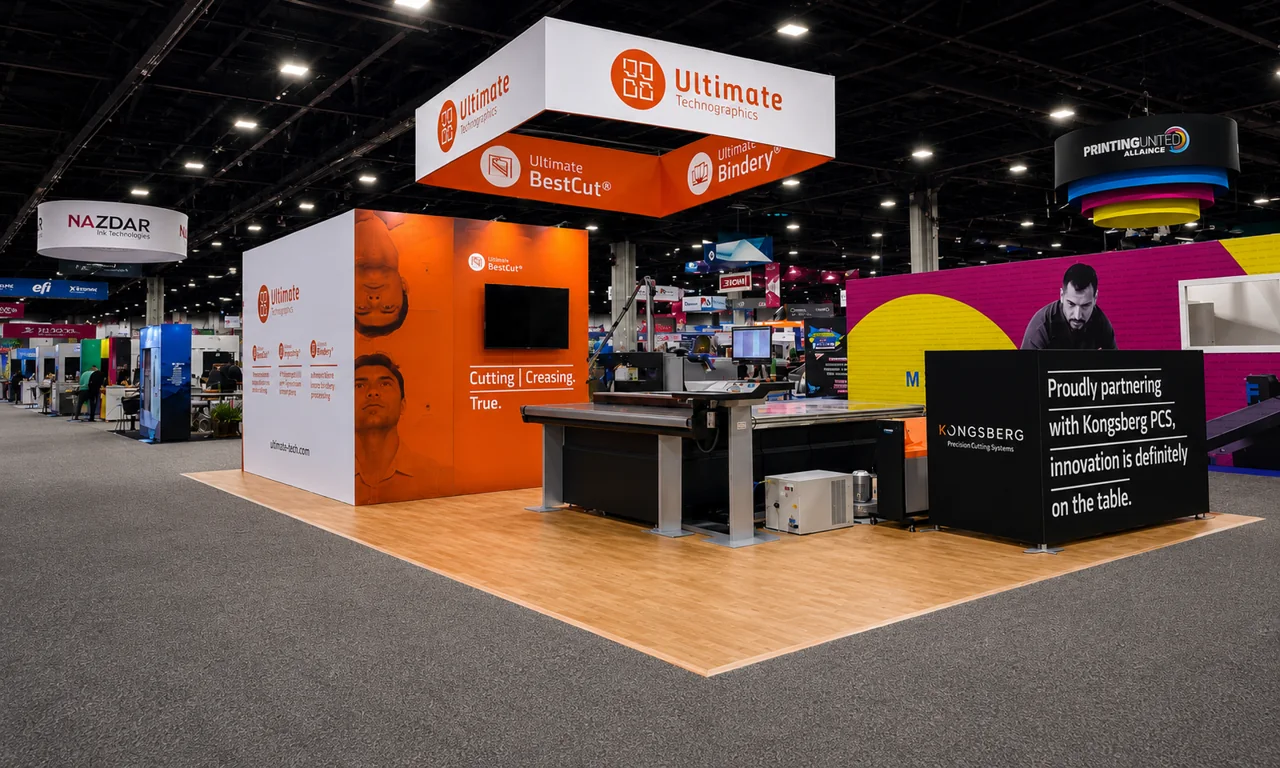
20×40 · Atlanta
Branded wall graphics integrated with equipment and software demonstration areas.
View Project →Protective packing, panel labels and orientation notes help connect production with installation. Coordinate shipping for exhibit graphics and components around the approved packing method and the show’s receiving deadline. Confirm the attachment method and installation sequence, and retain the approved artwork and panel map for replacement graphics if needed.
Vector files are preferred for logos and line art, while high-resolution raster files may be suitable for photography. Exact requirements depend on final size, material and the production workflow. Use the supplied template and specifications, and include or embed the required fonts and linked images as instructed.
We can work from defined brand values or physical references. Substrate, ink, lighting and screen-to-print differences affect appearance, so an exact match should not be assumed from a monitor preview. A physical or contract proof may be recommended for color-critical work, with client approval before production.
Some fabric and rigid-panel graphics can be reused when properly designed, packed and stored. Reuse depends on material, attachment method, booth configuration, handling and normal wear. Tell us the intended show program before material selection so dimensions, finishing and packing can support future use.
Late artwork can compress proofing and production time, create rush charges or delay shipment. Set an approval deadline that allows time for preflight, corrections, proof review, printing, finishing and delivery. We review the remaining schedule before confirming whether the requested delivery can be supported.
There is no single resolution suitable for every graphic. Requirements depend on the finished output size, viewing distance, image content and material. Evaluate raster artwork at its final printed size, and follow the specifications supplied for the project. Vector logos and text can help preserve edge quality; enlarging a low-resolution photograph does not restore missing detail.
Agree on the artwork deadline when the project is scheduled. Allow time for template confirmation, file corrections, color or physical proofs where needed, production, finishing, fit checks and delivery. Backlit work, multiple panels or color-critical graphics may need additional review. The deadline should be confirmed for your materials, quantities and show schedule rather than assumed from a general turnaround estimate.
Coordinate graphic placement with the exhibit layout. Explore Booth Design →
Review the proposed branding within the booth concept. Explore 3D Visualization →
Plan the handling of graphics intended for future shows. Explore Exhibit Storage →
Share the graphic type, approximate finished size, quantity, artwork status and required delivery date. If a specification is not yet decided, select Not Sure and describe the display system or intended use.