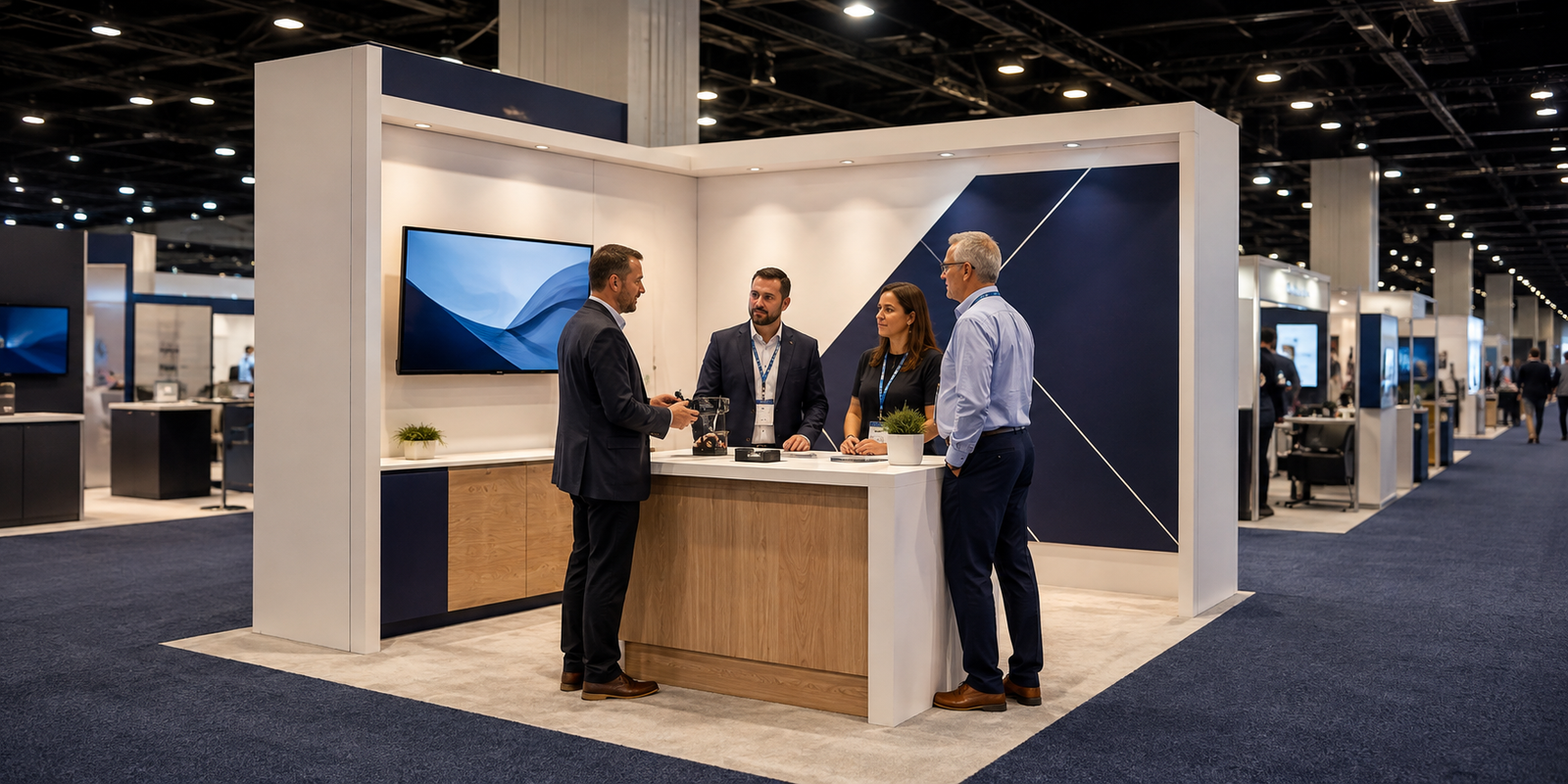
Choosing from the top trade shows in Las Vegas can feel overwhelming, with so many high-profile events vying for your attention and budget. The problem isn't a lack of options, but rather the risk of investing significant resources in an event that doesn't align with your specific objectives or, worse, underestimating the planning required to truly succeed.
To determine which top trade shows in Las Vegas are right for your business, you must look beyond mere size or popularity; instead, focus on industry fit, your specific business goals, and your team's readiness to execute a flawless exhibit. The most successful exhibitors meticulously plan every detail, from booth design to logistics, ensuring their presence truly makes an impact.1
Having worked with countless exhibitors here in Las Vegas, I've seen firsthand that the "best" show isn't always the biggest. Let's explore how to navigate these choices and prepare for a rewarding exhibition experience.
How Do You Identify the Right Top Trade Shows in Las Vegas for Your Business?
Many businesses assume that exhibiting at the largest or most famous top trade shows in Las Vegas automatically guarantees success. This mindset, however, often leads to wasted resources and missed opportunities. The real challenge is determining which events offer the best strategic fit for your unique objectives.
Identifying the right top trade shows in Las Vegas involves a targeted approach, prioritizing industry relevance, audience demographics, and your specific marketing or sales objectives over general attendance numbers2. A "top" show is one that brings you face-to-face with your ideal customer base and supports your business goals.
Dive Deeper: Aligning Shows with Your Strategic Objectives
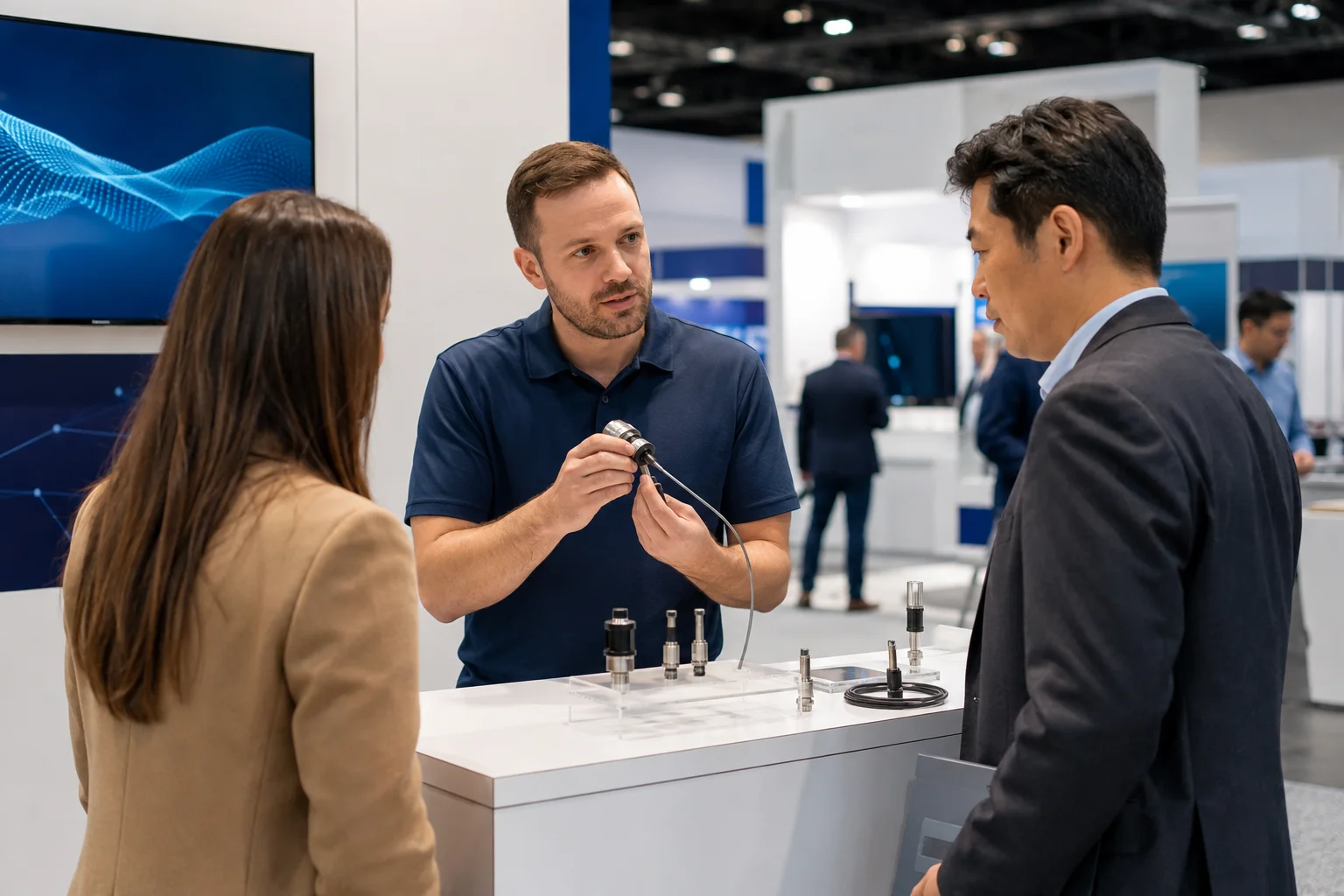
When evaluating any trade show, especially the major ones here in Las Vegas, I always encourage exhibitors to ask "Why?" before "Which?" It's not about being present; it's about being present effectively.
Defining Your Trade Show Goals
Before even looking at a list of shows, clarify what you aim to achieve:
- Lead Generation: Are you looking to collect a high volume of new contacts, or are you targeting high-quality, pre-qualified leads?
- Brand Awareness: Is your primary goal to increase visibility, launch a new product, or reinforce your brand's position in the market?
- Networking & Partnerships: Do you need to connect with industry peers, potential distributors, or strategic partners?
- Sales & Demos: Is the show a direct sales opportunity, or a chance for in-depth product demonstrations?
- Market Research: Are you gathering competitive intelligence or feedback on new offerings?
These goals will dictate everything from the type of show you choose to your booth design and staff training.3 For instance, a show focused purely on brand awareness might benefit from a large, impactful visual display, while lead generation requires more interactive elements and efficient data capture.
Analyzing Industry Fit and Audience Demographics
Las Vegas hosts an incredibly diverse array of trade shows, each serving a distinct industry and audience. What's perfect for a tech startup might be completely wrong for a jewelry manufacturer.
- Industry Focus: Does the show's theme directly align with your products or services? Attending a highly specialized show, even if smaller, can often yield better results than a massive general industry event where you might get lost in the noise. For example, if you're in the automotive aftermarket, SEMA is an obvious choice. If you're in electronics, CES is paramount.
- Attendee Profile: Who attends this show? Are they decision-makers? Are they your target demographic in terms of role, company size, and purchasing power? Many show organizers provide detailed attendee demographics from previous years.4 As a local booth builder, I've noticed exhibitors who closely match their product to the audience demographics always report better engagement.
- Competitive Landscape: Who else from your industry exhibits at this show? Is it an opportunity to stand out, or will you be one of many? While competition can be fierce at the top trade shows in Las Vegas, it also indicates where your target audience is congregating.
Verifying Show Details and Logistics
Always cross-reference information. Show dates, venue assignments, attendance figures, and exhibitor regulations can change.5 Always verify all critical details with official event sources before making commitments.
| Factor | Description | Why it Matters for Selection |
|---|---|---|
| Official Dates | Exact start and end dates, including move-in/move-out schedules. | Crucial for staffing, logistics, and production timelines. |
| Venue & Hall | Specific convention center (e.g., Las Vegas Convention Center, Mandalay Bay Convention Center) and often which hall you will be in. | Impacts booth access, freight drop-off, and nearby amenities. |
| Attendee Profile | Detailed demographics provided by the show organizer (job titles, industries, company size, buying power). | Ensures your target audience is present. Avoids exhibiting to the wrong crowd. |
| Exhibitor Costs | Booth space fees, drayage, utility connections (electrical, internet), lead retrieval systems, marketing opportunities. | Essential for accurate budgeting. Hidden costs can quickly inflate expenses. |
| Rules & Regulations | Specific rules for booth height, materials, hanging signs, use of union labor, fire codes, and overall display guidelines. | Directly impacts booth design feasibility and compliance. Non-compliance can lead to costly delays or fines. |
| Past Performance | Review attendance figures, exhibitor lists, and testimonials from previous years if available. | Gives an indication of the show's vibrancy and reach. |
By systematically evaluating these aspects, you move beyond simply listing top trade shows in Las Vegas and begin building a strategic exhibiting plan tailored to your success.
What Are the Key Considerations for Exhibiting at Top Trade Shows in Las Vegas?
Once you've identified a promising event, the next step is to understand the unique challenges and opportunities presented by exhibiting at top trade shows in Las Vegas. These major events are not like smaller, regional shows; they operate on a different scale of complexity and competition.
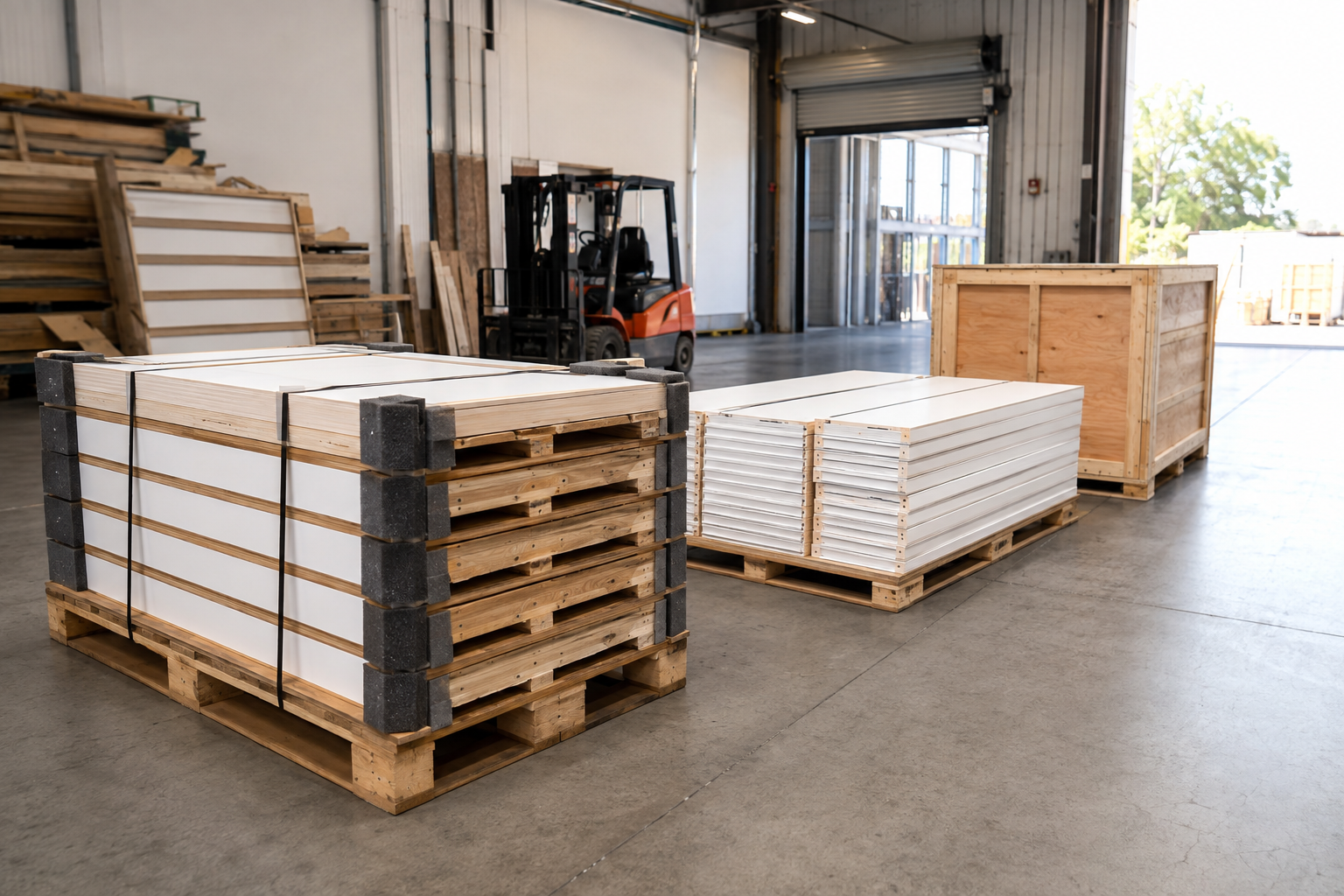
Exhibiting at top trade shows in Las Vegas demands meticulous attention to planning, especially regarding booth design complexity, logistics for shipping materials, securing qualified labor, and managing accommodations. The sheer volume of exhibitors and attendees at these events intensifies resource demands and timelines6, requiring foresight to avoid costly last-minute issues.
Dive Deeper: Navigating the Dynamics of Major Las Vegas Events
As a local Las Vegas booth builder, I've observed that exhibitors often underestimate the intricacies of participating in the city's largest conventions. What works in a smaller market won't necessarily translate here without careful adjustment.
Resource Pressures and Demand Spikes
Las Vegas's largest shows, like CES, NAB, SEMA, or Shot Show, draw tens of thousands of attendees and thousands of exhibitors.7 This intense concentration of activity creates significant pressure on local resources:
- Accommodation: Hotel rooms, especially at prime locations, book up months in advance and prices skyrocket.8 Have you planned hotel bookings for your team and secured them well ahead of time?
- Labor: Skilled union labor for booth installation and dismantle becomes extremely scarce during peak show periods. Booking your installation and dismantle (I&D) crew early is not just a recommendation; it's a necessity to avoid surcharges or, worse, not having a crew available.
- Freight and Drayage: The convention centers handle an enormous volume of incoming and outgoing freight. Understanding drayage costs (the fee for moving your materials from the dock to your booth space and back) and scheduling inbound/outbound shipments within the designated windows is crucial.9 Late shipments can incur hefty penalties.
- Transportation: Taxis, ride-shares, and shuttle services are in high demand. Planning team transportation to and from the convention center is important for punctuality and convenience.
Navigating Booth Design and Production Complexity
Your exhibit booth is your physical representation on the show floor. For top trade shows in Las Vegas, standard pop-up displays often get lost amidst more elaborate, custom-built environments.
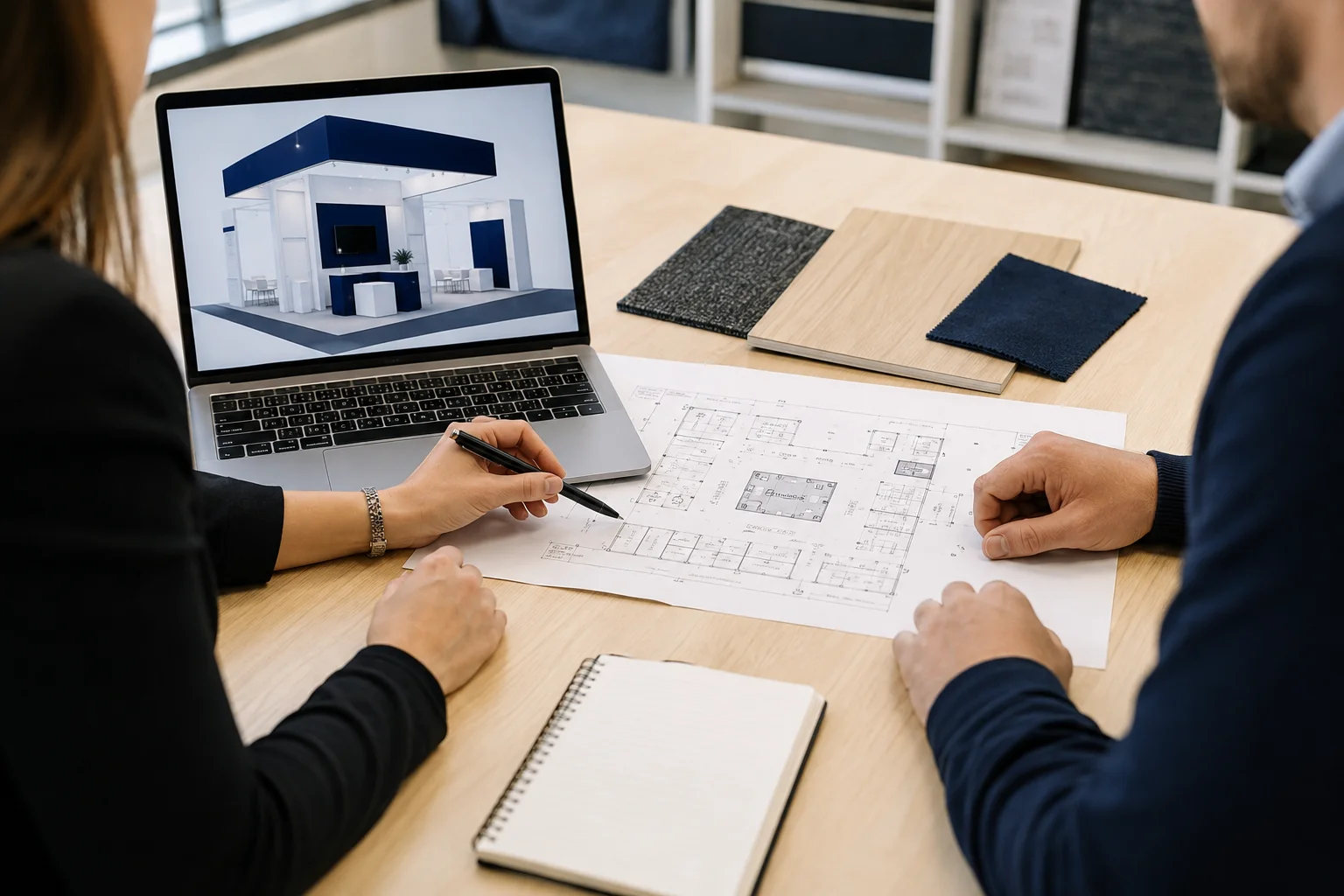
- Custom Booth Design: A custom exhibit can help you stand out. This requires a detailed design process, often involving 3D renderings, material selection, and structural engineering, all of which take time. Have you confirmed your booth size, design complexity, and material shipping needs with your booth builder?
- Material Sourcing and Fabrication: High-quality materials and finishes ensure your booth looks professional and withstands the rigors of transportation and installation. Fabrication can take weeks or months, depending on the complexity.
- Technology Integration: Many modern exhibits incorporate large LED screens, interactive touchpoints, or unique lighting. Integrating these elements seamlessly requires careful planning and testing.
- Compliance with Regulations: Las Vegas convention centers have strict rules regarding booth height, fire safety, electrical loads, and accessibility.10 A knowledgeable booth builder can ensure your design meets all local regulations, preventing costly delays or on-site modifications.
Specific Examples of Major Las Vegas Trade Shows and Their Unique Challenges (Please verify all dates and details with official event organizers):
To illustrate the variety, here are a few examples of top trade shows in Las Vegas, highlighting specific considerations:
- CES (Consumer Electronics Show):
- Best for: Consumer technology, innovation, startups, global launches.
- Challenges: The ultimate resource crunch. Hotels book out a year in advance. Extremely high demand for all services, from catering to labor. Booth installation is a marathon.
- NAB Show (National Association of Broadcasters):
- Best for: Broadcast, media, entertainment technology, content creators.
- Challenges: Often involves large, heavy equipment and complex AV setups. Electrical and internet connectivity are paramount and must be planned precisely.
- SEMA Show (Specialty Equipment Market Association):
- Best for: Automotive aftermarket products, vehicle customization, auto manufacturers.
- Challenges: Exhibiting vehicles presents unique logistical challenges for vehicle staging and entry/exit from the convention center floor. Many displays require specialized rigging and power.
- JCK Las Vegas:
- Best for: Fine jewelry, watches, precious gems.
- Challenges: High-value goods require enhanced security measures and specialized display cases. Booths often need secure storage and specific lighting for optimal product presentation.
- SHOT Show (Shooting, Hunting, Outdoor Trade Show):
- Best for: Firearms, ammunition, outdoor sports, law enforcement.
- Challenges: Extremely strict security protocols and regulations regarding product display and handling. Requires specialized permits and compliance.
- Global Gaming Expo (G2E):
- Best for: Gaming technology, casino operations, hospitality.
- Challenges: Often features large, interactive gaming machines and complex software demos. Requires high bandwidth and specialized electrical connections.
Understanding these specific nuances before committing to a show is vital. Have you planned hotel, labor, logistics, and move-in timing for your chosen event? A local booth builder like us can offer invaluable insights into these show-specific requirements, helping you avoid common pitfalls.
Why is Early Planning Essential for Success at Top Trade Shows in Las Vegas?
The phrase "the early bird gets the worm" couldn't be truer when it comes to exhibiting at the top trade shows in Las Vegas. Procrastination here isn't just an inconvenience; it can significantly inflate costs, compromise your booth's quality, and even jeopardize your entire participation.
Early planning is essential for success at top trade shows in Las Vegas because it allows ample time to secure prime booth space, design and fabricate a high-impact exhibit, book critical services like labor and freight before demand surges, and manage your budget effectively. Delaying these crucial steps inevitably leads to higher costs, limited options, and increased stress, directly impacting your return on investment.
Dive Deeper: The Timeline Advantage for Your Las Vegas Exhibit
From my perspective as a booth builder, the biggest difference between a smooth, successful exhibit and a chaotic, over-budget one almost always boils down to the planning timeline.
Securing Prime Real Estate and Services
- Booth Space: The most desirable booth locations (e.g., near entrances, main aisles, or anchor exhibitors) are often booked up months, sometimes even a year, in advance.11 Early commitment gives you the best chance to secure a strategic spot that maximizes foot traffic.
- Accommodation & Flights: As discussed, major shows create massive demand. Booking hotels and flights early ensures availability and significantly lower prices for your team.
- Exhibit Labor & Freight: Local union labor for I&D, as well as specialized freight services, operate on schedules that fill up quickly during peak seasons. Booking these essential services early guarantees availability and avoids last-minute surcharges or, even worse, not having the resources you need for move-in.
Optimizing Booth Design and Production
A truly impactful exhibit doesn't happen overnight. It's a collaborative process that benefits immensely from a generous timeline.
- Conceptualization & Design: This phase involves understanding your brand, goals, and the show's context. It includes sketches, 2D layouts, 3D renderings, and material selection. Rushing this can lead to a generic or ineffective design.
- Fabrication & Graphics: Once the design is approved, the physical build begins. Custom elements, intricate carpentry, integrated lighting, and large-format graphics all require significant production time. Allowing sufficient time here ensures quality craftsmanship and proper testing.
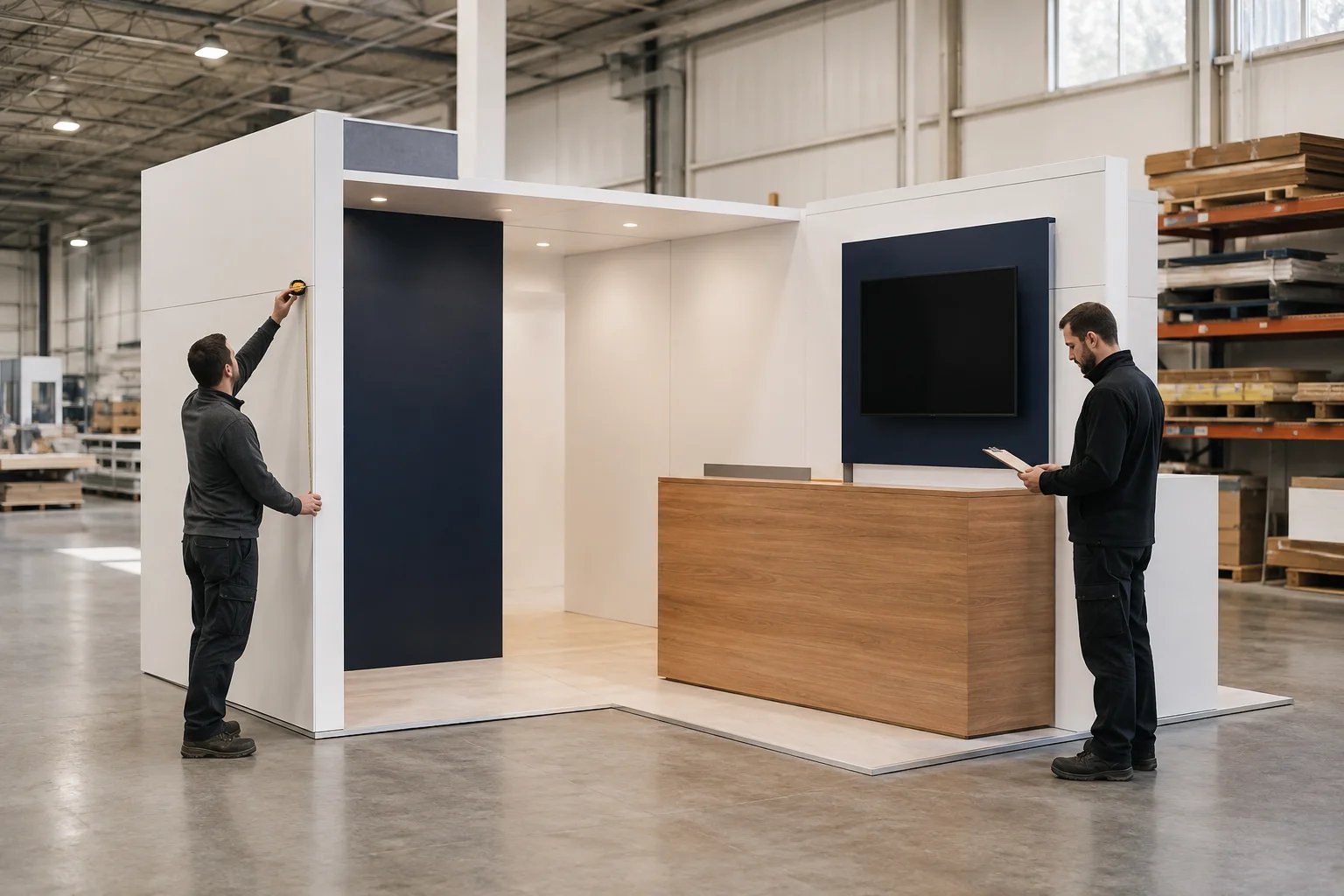
- Pre-Show Assembly & Testing: For complex booths, we often perform a pre-assembly in our facility. This allows us to identify any fit issues, test all AV components, and ensure everything is perfect before it ships to the convention center. This crucial step is impossible with a tight deadline.
Budget Management and Contingency Planning
Early planning is the best way to control costs and build in flexibility.
- Cost Efficiency: Booking services, ordering materials, and even securing event marketing opportunities earlier often comes with early-bird discounts.12 Last-minute decisions almost always incur rush fees, premium rates, and limited choices.
- Contingency Buffer: No matter how well you plan, unexpected issues can arise. An extended timeline provides a buffer to address unforeseen challenges, such as shipping delays, minor design revisions, or last-minute changes to show regulations, without panicking or incurring excessive costs.
- Team Readiness: Your sales and marketing teams need time to prepare for the show. This includes training on new products, practicing booth pitches, and understanding lead capture systems. A calm, well-prepared team performs better.
Below is an example timeline for a custom 20x20 exhibit for a major Las Vegas trade show:
| Phase | Recommended Timeline (Prior to Show Date) | Key Activities | Cost Impact of Delay |
|---|---|---|---|
| 1. Strategic Planning & Show Selection | 12-18 months | Define goals, research shows, budget allocation, initial show selection. | Missed early-bird booth space discounts. |
| 2. Booth Design & Builder Selection | 9-12 months | RFP to booth builders, design concepts, revisions, final design approval, contract signing. | Limited design options, rush design fees, fewer builder choices. |
| 3. Material Sourcing & Fabrication | 6-9 months | Ordering materials, custom manufacturing, graphics production, AV integration. | Rush production fees, limited material choices, potential quality compromises. |
| 4. Logistics & Services Booking | 3-6 months | Book drayage, I&D labor, electrical, internet, catering, lead retrieval, hotel blocks, flights. | Surcharges for late booking, limited availability of prime services, higher rates. |
| 5. Pre-Show Assembly & Graphics Production | 2-3 months | Booth pre-build at builder's warehouse, quality checks, final graphics printed and applied. | No time for testing, errors discovered on-site (costly fixes), rushed print jobs. |
| 6. Shipping & Team Prep | 1-2 months | Freight consolidation, shipping to advanced warehouse, staff training, marketing materials finalized. | Expedited shipping fees, potential delays at freight dock, unprepared staff. |
| 7. On-Site Setup & Execution | Show Week | Booth installation, final touches, staff briefing. | Significant overtime for labor, missed setup deadlines, incomplete booth, added stress. |
As a local Las Vegas booth builder, I consistently advise my clients to engage us as early as possible. This partnership allows us to navigate the complexities together, ensuring your exhibit at any of the top trade shows in Las Vegas is not just present, but truly impactful and reflective of your brand's excellence.
Frequently Asked Questions
How far in advance should I plan for a Las Vegas trade show?
For major top trade shows in Las Vegas, I recommend starting your planning at least 9-12 months out, and ideally 12-18 months for large custom exhibits. This timeline allows you to secure prime booth locations, design and fabricate a quality exhibit, and book essential services like labor and hotels without incurring rush fees or facing limited availability.
What are the typical hidden costs of exhibiting in Las Vegas?
Beyond booth space, hidden costs at top trade shows in Las Vegas often include drayage (material handling), mandatory union labor for installation/dismantle, electrical and internet services (often priced per outlet/bandwidth), cleaning, security, and overtime charges for late work. Always request a detailed line-item estimate from all vendors.
How do I choose the best booth builder in Las Vegas?
When selecting a booth builder for top trade shows in Las Vegas, look for a local company with a strong portfolio of custom exhibits, positive client testimonials, and deep experience with the specific convention centers. Prioritize builders who offer comprehensive services (design, fabrication, logistics, I&D) and proactively communicate about timelines and potential challenges unique to Las Vegas.
Conclusion
Navigating the landscape of top trade shows in Las Vegas is less about identifying the biggest event and more about strategically choosing the right fit for your business objectives and meticulously preparing for its execution. As a local Las Vegas booth builder, I consistently see that success at these high-stakes events hinges on early planning, a deep understanding of local logistics, and a commitment to quality in every aspect of your exhibit.
Don't let the allure of a large audience overshadow the critical need for readiness. By aligning your goals with the right show, anticipating the unique demands of Las Vegas, and starting your planning well in advance, you can transform a complex challenge into a powerful opportunity. If you're considering exhibiting at any of the top trade shows in Las Vegas and want to ensure a seamless, impactful presence, I encourage you to reach out to us for an early consultation. Let's discuss your vision and ensure your exhibit stands out.
"Effects of international trade show marketing strategies on ...", https://pure.psu.edu/en/publications/effects-of-international-trade-show-marketing-strategies-on-trade. Research on trade-show marketing indicates that exhibitor performance is influenced by pre-show planning, booth execution, and follow-up processes, supporting the article's emphasis on detailed preparation. Evidence role: general_support; source type: paper. Supports: Research should support that pre-show planning, booth preparation, and execution capabilities are linked to exhibitor performance at trade fairs.. Scope note: Such studies usually show associations between planning practices and outcomes rather than proving that meticulous planning alone causes success. ↩
"How Early Should You Start Planning a Trade Show Booth?", https://exhibitsmax.com/how-early-should-you-start-planning-a-trade-show-booth/. Exhibition marketing research and industry guidance commonly identify attendee quality, target-market fit, and alignment with exhibitor objectives as central criteria in trade-show selection. Evidence role: expert_consensus; source type: research. Supports: A neutral source should explain that exhibitors evaluate trade shows using attendee profile, target-audience fit, and marketing objectives, not attendance volume alone.. Scope note: This support is contextual because the best selection criteria can vary by industry, budget, and sales cycle. ↩
"How Early Should You Start Planning a Trade Show Booth?", https://exhibitsmax.com/how-early-should-you-start-planning-a-trade-show-booth/. Exhibition marketing literature describes exhibitor objectives as a planning mechanism that informs booth design, staff preparation, visitor interaction, and lead-management practices. Evidence role: mechanism; source type: research. Supports: A source should explain how defined exhibiting objectives shape tactical choices such as exhibit design, staff behavior, lead capture, and follow-up.. Scope note: The source may not address Las Vegas specifically, but it can support the general exhibition-planning mechanism. ↩
"Consumer Electronics Show", https://en.wikipedia.org/wiki/Consumer_Electronics_Show. Official trade-show exhibitor materials and post-event reports frequently present attendee-profile data such as industry, job function, company type, and purchasing role for prospective exhibitors. Evidence role: general_support; source type: institution. Supports: A source should show that official trade show reports or exhibitor prospectuses commonly include attendee profiles, industries, job functions, or buying authority.. Scope note: Organizer-provided demographics may be self-reported or marketing-oriented, so they should be treated as useful planning context rather than independently verified proof of audience quality. ↩
"APPEX Las Vegas Booth Guide: Layout, Rules & Best Practices", https://exhibitsmax.com/apex-las-vegas-booth-guide-layout-rules-best-practices/. Official exhibitor manuals commonly reserve the right to update schedules, venue procedures, service deadlines, and display regulations, supporting the need to confirm critical details with primary event sources. Evidence role: general_support; source type: institution. Supports: An official exhibitor manual or event policy should state that schedules, rules, or service requirements may change and that exhibitors should consult official sources.. Scope note: The exact items that may change differ by event and venue. ↩
"Las Vegas Convention and Visitors Authority", https://www.wikipedia.org/wiki/Las_Vegas_Convention_and_Visitors_Authority. Las Vegas convention-industry reporting documents that major conventions bring large numbers of attendees and exhibitors to the city, providing context for increased demand on venue services, lodging, transportation, and labor. Evidence role: general_support; source type: institution. Supports: A Las Vegas convention authority or industry report should document the large attendance and exhibitor scale of major conventions and the resulting demand on venues, lodging, and services.. Scope note: Such reports establish the scale of demand but may not directly quantify every exhibitor's timeline pressure. ↩
"NAB Show", https://en.wikipedia.org/wiki/NAB_Show. Official post-show statistics for major Las Vegas events such as CES, NAB Show, SEMA Show, and SHOT Show report attendance in the tens of thousands and substantial exhibitor participation, supporting the article's characterization of their scale. Evidence role: statistic; source type: institution. Supports: Official event or audited post-show statistics should confirm that these major Las Vegas shows attract attendance in the tens of thousands and large exhibitor counts.. Scope note: Attendance and exhibitor counts vary by year, so the citation should correspond to the specific edition or the most recent audited figures available. ↩
"Las Vegas Convention Center Booth Planning Guide - Exhibitsmax", https://exhibitsmax.com/las-vegas-convention-center-booth-planning-guide/. Las Vegas tourism and hospitality-market data show that large conventions contribute to high hotel occupancy and rate compression, supporting the recommendation to book accommodations well in advance. Evidence role: statistic; source type: institution. Supports: A convention authority, tourism report, or hospitality-market report should show that major conventions are associated with high occupancy and elevated hotel rates in Las Vegas.. Scope note: The source may demonstrate market-level effects rather than proving that every individual convention causes a specific price increase. ↩
"What Is Drayage? Common Mistakes Foreign Exhibitors Make ...", https://exhibitsmax.com/what-is-drayage-common-mistakes-foreign-exhibitors-make/. Official exhibitor-service manuals define drayage or material handling as the movement of freight between receiving areas and the exhibit booth and typically require exhibitors to follow specified advance-warehouse and direct-to-show shipping windows. Evidence role: definition; source type: institution. Supports: An exhibitor manual or official service-contractor guide should define drayage/material handling and describe shipping windows or advance warehouse procedures.. Scope note: Fees and precise shipping rules depend on the event, venue, and appointed service contractor. ↩
"Fire Prevention", https://www.clarkcountynv.gov/government/departments/fire/fire-prevention. Las Vegas venue manuals and applicable fire and accessibility regulations set requirements for exhibit dimensions, flame resistance, electrical installations, and accessible routes, supporting the article's warning that booth designs must comply with formal rules. Evidence role: general_support; source type: government. Supports: Official venue manuals, fire-code guidance, or accessibility regulations should document requirements for booth dimensions, fire safety, electrical systems, and accessible exhibit design.. Scope note: Requirements differ by venue, booth type, and event organizer, so exhibitors must check the governing manual for their specific show. ↩
"How Early Should You Start Planning a Trade Show Booth?", https://exhibitsmax.com/how-early-should-you-start-planning-a-trade-show-booth/. Official exhibitor prospectuses for major trade shows commonly open booth-space applications and priority selection many months before the event, supporting the need to secure preferred locations early. Evidence role: general_support; source type: institution. Supports: An official exhibitor prospectus or industry guide should show that booth-space applications, priority selection, or rebooking for major shows occur many months before the event.. Scope note: The source can support the general timing pattern, but the availability of specific high-traffic locations varies by show and priority-assignment rules. ↩
"Las Vegas Trade Show Booth Rentals: What Should You Really ...", https://exhibitsmax.com/las-vegas-trade-show-booth-rentals-what-should-you-really-expect/. Official exhibitor service manuals frequently distinguish advance rates from standard or late-order rates for services such as utilities, furnishings, freight handling, and promotional opportunities, supporting the article's claim that early ordering can reduce exhibitor costs. Evidence role: statistic; source type: institution. Supports: Official exhibitor service manuals should show advance-rate deadlines, standard rates, or late-order surcharges for services such as electrical, internet, furnishings, or sponsorships.. Scope note: The size of the discount or surcharge is event-specific and should be verified against the current service kit. ↩