Choose the Right Show
Compare buyer fit, product relevance and the work needed to participate before selecting an event.
Los Angeles shows →Las Vegas shows →New York planning →
U.S. TRADE SHOW PREPARATION
Prepare for a U.S. trade show by connecting the event you choose with the work required to exhibit there. These guides help first-time and experienced exhibitors evaluate shows, work with a booth builder, understand freight and material handling, and organize installation and move-out. International teams can use them to clarify responsibilities with U.S. suppliers before approving a project. Start with the topic that matches your next decision, then browse the articles below. Confirm dates, service deadlines and venue requirements in the current organizer documents before committing to a plan.
Compare buyer fit, product relevance and the work needed to participate before selecting an event.
Los Angeles shows →Las Vegas shows →New York planning →Use a practical checklist to connect your booth brief, budget, shipping, service orders and on-site plan.
Start with the first-show checklist →Compare delivery models and clarify who owns each approval, service order and execution task.
Evaluate local builder options →Avoid common coordination gaps →Separate carrier delivery from the handling needed to move materials through the venue.
Understand trade show drayage →Connect packing, receiving, crew access and build sequence with the assigned work schedule.
Read international exhibitor I&D tips →Review labor and rigging cost factors →Use the guide for your event, then confirm the current manual and requirements for your assigned space.
AAPEX setup and planning →CES booth planning →15 articles across this collection. Browse the current page or continue with the pagination below.

Evaluate Los Angeles-area shows by audience fit, product-demonstration needs, total participation cost and preparation time. This guide distinguishes city events from nearby alternatives and helps you shortlist events around your sales goals.
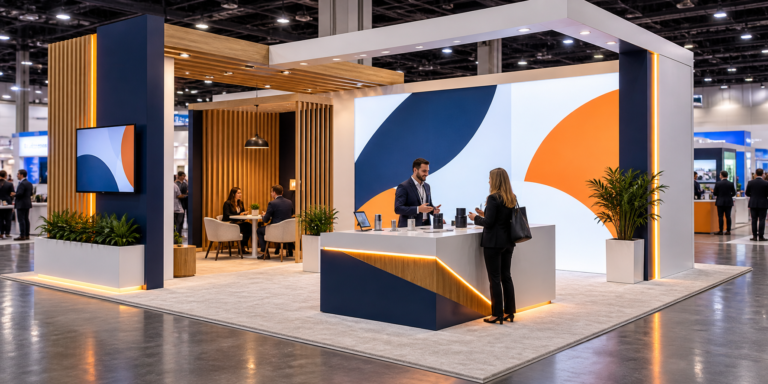
Connect booth ideas with the decisions that shape the space: show objectives, footprint, event requirements and build approach. Use those inputs to evaluate graphics, displays, furniture and circulation before settling on a concept.
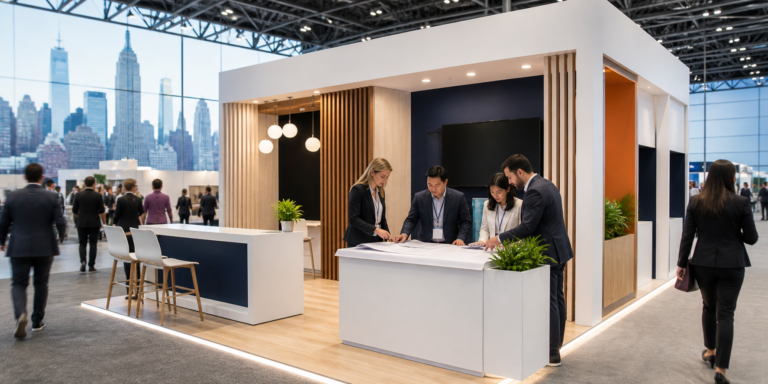
Use this New York show guide to compare event audiences, venues and booth-planning considerations for 2027. Follow the organizer references and reconfirm current dates and exhibitor requirements before committing to an event.
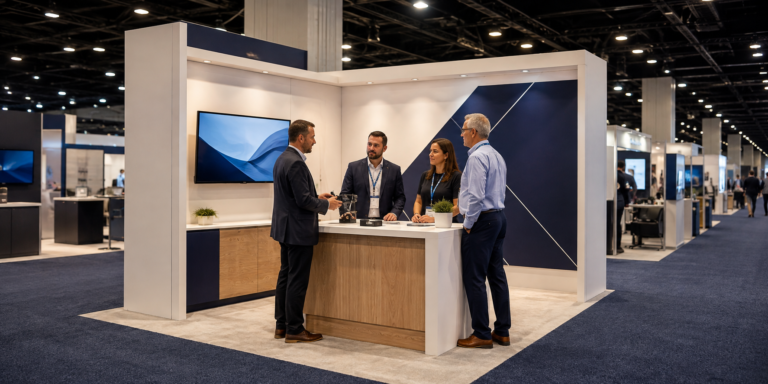
Explore Las Vegas shows by buyer audience, product category and exhibition goals. Use the guide to narrow your options, then confirm event details and prepare the booth, staffing and follow-up plan around your chosen show.
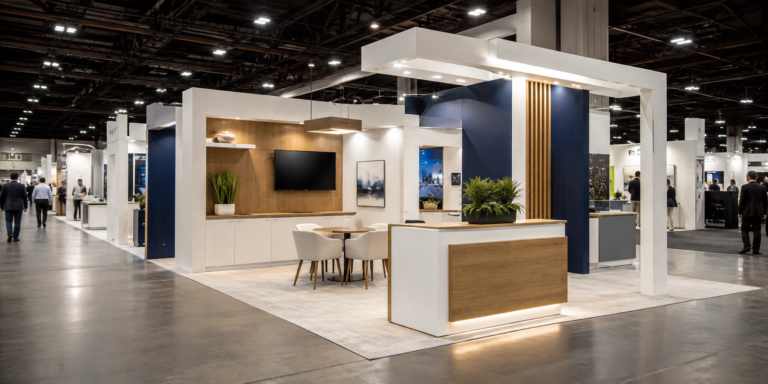
Review the remaining 2026 U.S. show calendar alongside booth preparation and service deadlines. Use the organizer references to verify the latest event details before committing to design, production, freight or on-site arrangements.
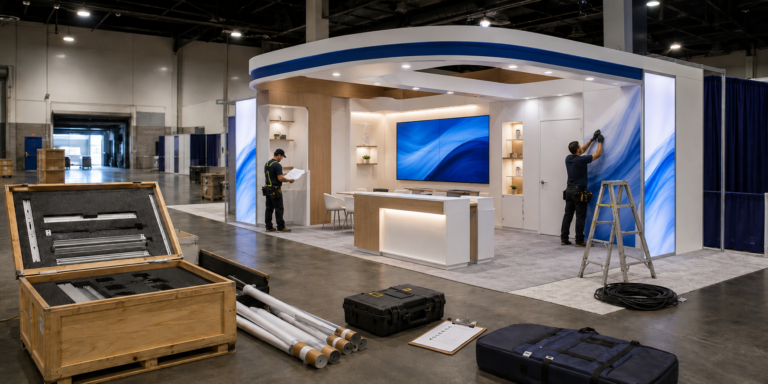
Prepare for Las Vegas installation and dismantling by coordinating the exhibitor manual, receiving plan, labor access, packing and build sequence. The guide focuses on the handoffs international exhibitors need to clarify before move-in.
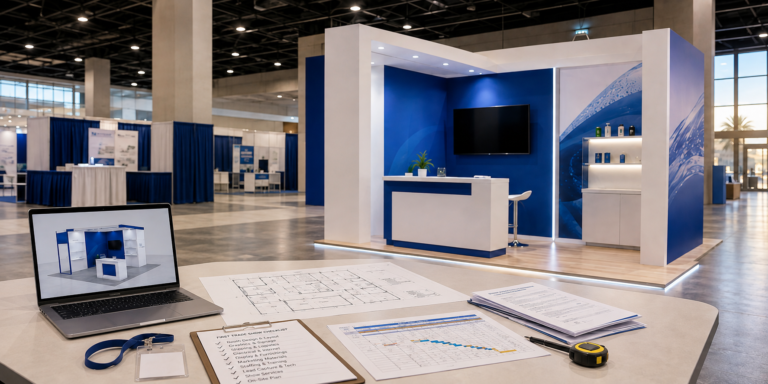
Connect your first Las Vegas show brief with budget, shipping, service orders and installation. Use the checklist to track decisions and responsibilities before the team reaches the show floor.
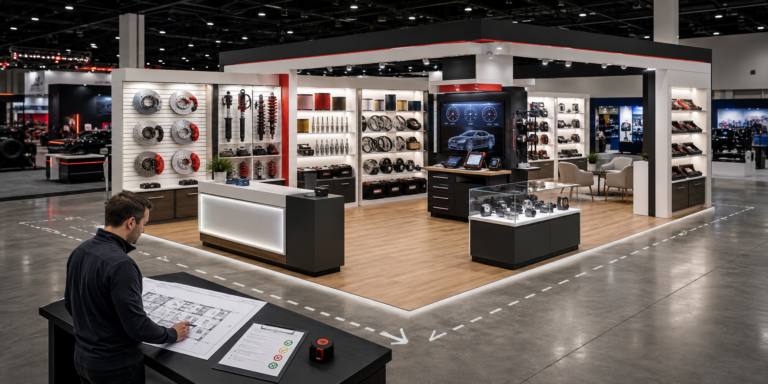
Review the operational side of exhibiting at AAPEX, from current event requirements and service orders to material handling, installation and move-out. Coordinate these tasks with the approved booth plan and assigned space.
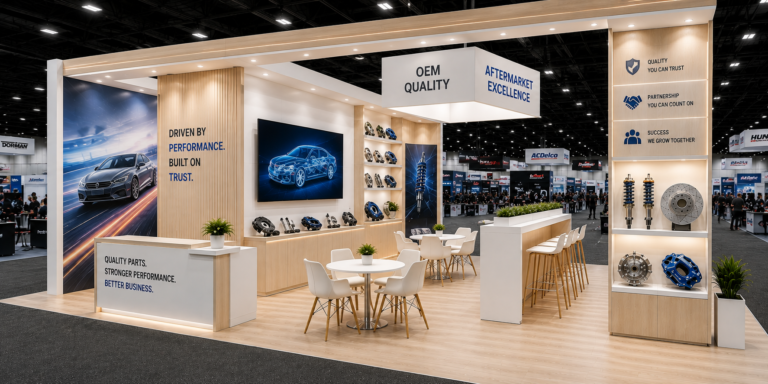
Plan an AAPEX booth around the products buyers need to see, demonstrations, meeting needs and visitor movement. Connect the design brief with the assigned footprint and current exhibitor documents.
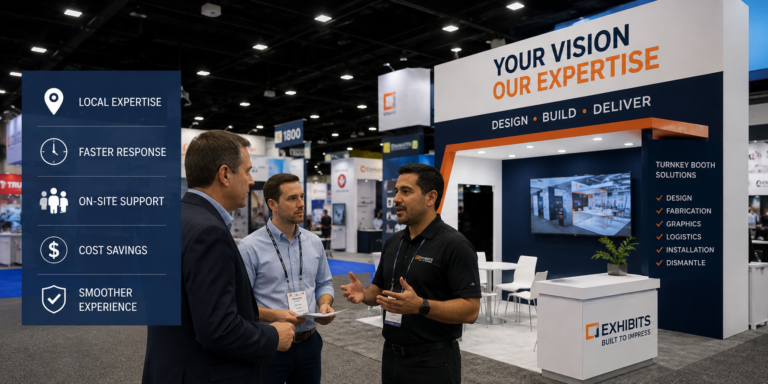
Compare a U.S. local builder with global or hybrid delivery models using your production, shipping, installation, storage and reuse needs. Consider the full exhibition program when deciding how to deliver your booth.
A shared checklist should name the owner, deadline and approval status for each handoff.
Keep the confirmed booth assignment, floor plan, event contacts and current exhibitor documents together.
Agree on deliverables, exclusions, artwork deadlines and the person authorized to approve design changes.
Assign responsibility for service orders, shipping documents, receiving arrangements and on-site contacts.
Plan the booth walkthrough, staff briefing, dismantling, outbound freight and storage or reuse instructions.
For international teams, agree on measurement units, working time zones and how approvals will be recorded. Explore trade show project management for help coordinating the booth project.
Turn goals and display requirements into a design brief, layout and approval schedule.
Browse booth planning guides →Review cost categories and charges that may need to be budgeted separately from the builder proposal.
Explore booth budget guides →Compare rental scope, customization and the information needed for comparable quotes.
Read booth rental guides →Start with the event’s audience, your business goals and assigned booth space. Gather the current exhibitor manual, floor plan and deadlines, then prepare a brief covering products, demonstrations, meetings, budget and responsibilities. Use the first-show checklist to connect design decisions with logistics and on-site preparation.
Clarify the written project scope, approval process, measurement units, working time zones and contacts for each stage. Identify who orders show services, coordinates receiving and installation, and arranges outbound freight. Record inclusions and exclusions so the exhibitor, builder and other providers work from the same plan.
A common checklist is useful, but its dates, approvals and service requirements need to be checked for each event, venue and assigned space. Use the current organizer documents and confirmed provider instructions. Guides explain what to review; they do not replace the requirements for your specific show.
PREPARE YOUR U.S. EXHIBIT PROJECT
Share your show, city, booth size, floor plan, product or demo needs and target budget. Exhibitsmax can help connect your booth design with production, logistics and show-site execution.
Request a Booth Project Quote →